Holy Learning {Sponsored Giveaway}
Our family really enjoys creating Lap Books. I have been blogging about the “Faith Folders” we have made with the printables from Holy Learning (formerly known as Faith Folders for Catholics) for years including the Advent Lap Book, Lent Lap Book, Year for Priests Lap Book, and the Saint Therese Lap Book (and here). Not to mention all the other great Faith Folders that haven’t made it onto Shower of Roses including The Things I See in Church and the Sacrament of Confession Faith Folder.
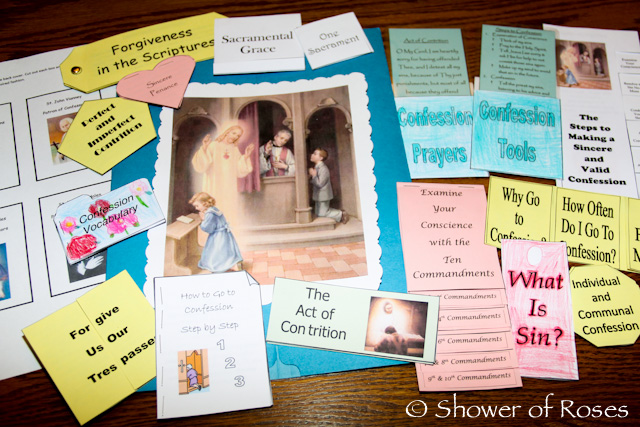 |
| Twinkle Toes’ Mini Books for her Sacrament of Confession Faith Folder in 2011-2012 |
With the feast of Sts. Joachim and Anne coming up later this month, I’m so excited to have the opportunity to review and give away a couple copies of the Saints Joachim and Anne Faith Folder from Holy Learning! The past year we weren’t able to make nearly as many Lap Books as we have in the past, but I’m really hoping to incorporate a few into our school plans, at least with the younger children, this upcoming school year.
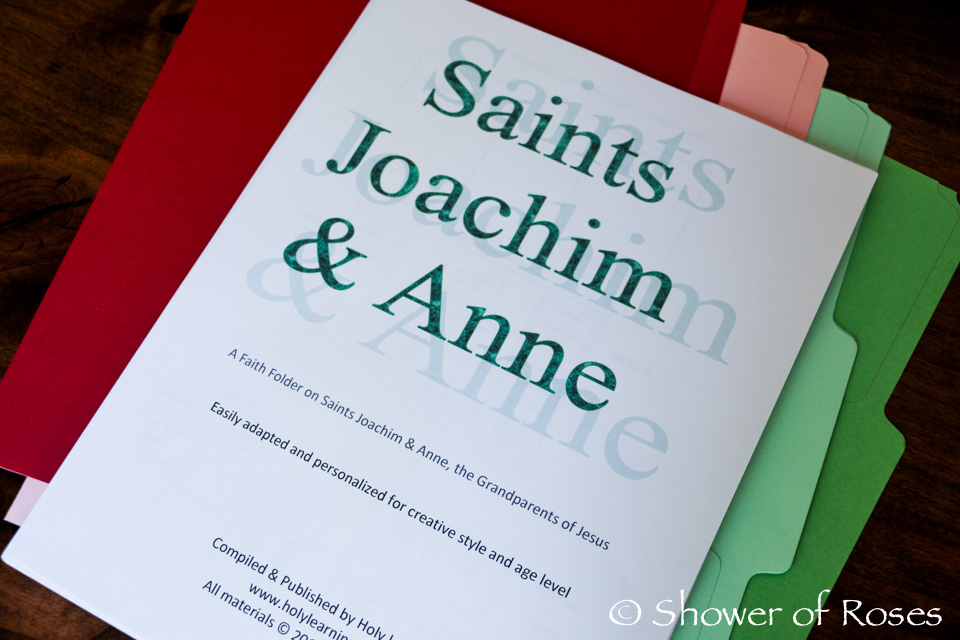
As always, Lindy has done a great job putting together a lovely collection of mini-books for this Faith Folder on Saints Joachim and Anne. I’m especially looking forward to teaching the children a little more about their own “Family Tree” and helping them with the “Grandparent Interview” inspired by these “Patrons of Parents and Grandparents!”
One of my favorite features of the Faith Folders from Holy Learning is all the options included for each mini-book. For example, you can print the mini-books in either black and white or in color (I will often print the black and white version onto a color paper of our choice to save on ink), and there is usually the option between pre-typed text or blank lines for the children to fill in the mini-books themselves after researching the topic, making the folder easily adaptable for a variety of ages and grade levels.
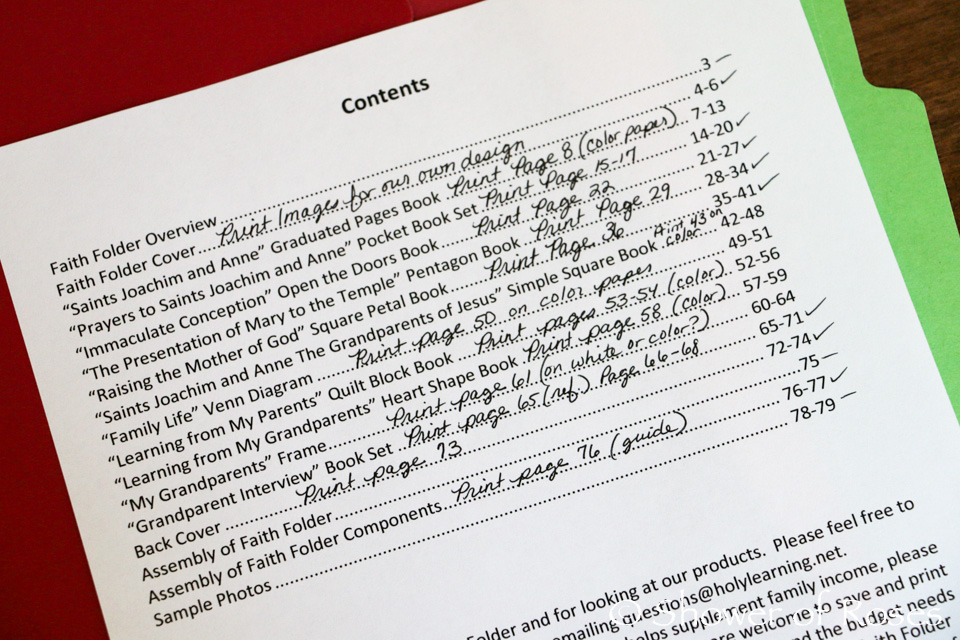
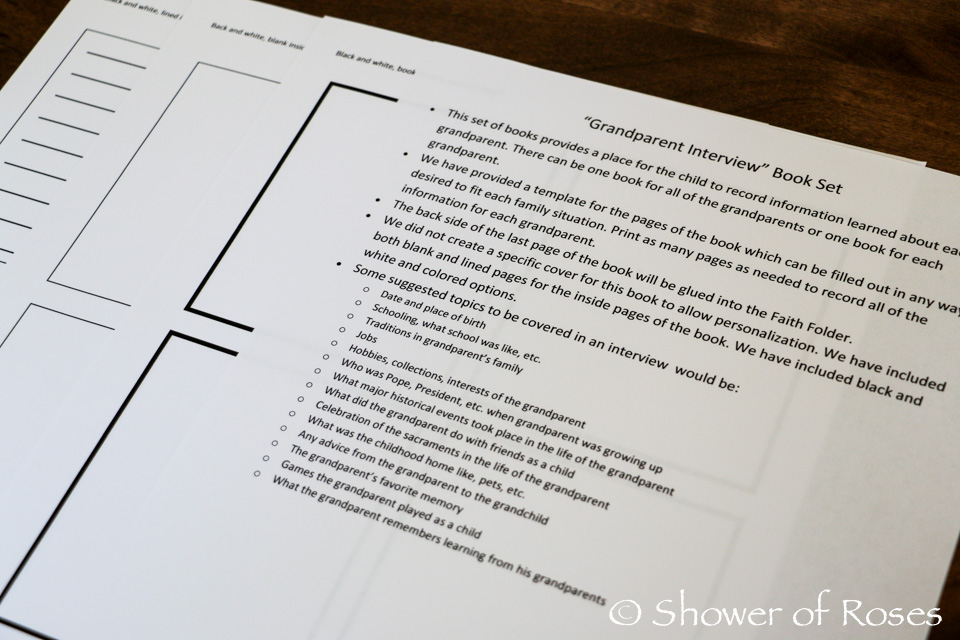
Tip: With so many pages and options included, the Faith Folder pdf file can be a little overwhelming, especially if you’ve never made a lap book. What I always do, while collecting and printing the supplies for our lap books, is start with printing out the content list. I then scroll through the pdf on my computer and take notes on which pages I need to print and on what type of paper (plain, color, or card stock). For this particular Lap Book I ended up printing 18 pages per child, of the 78 included in the pdf, in addition to a coloring page and some photographs to add to the lap book as well. Occasionally I will print out the page of directions for the mini-book (as you can see in the image of the “Grandparent Interview”) but I usually just read those on my computer or iPad.
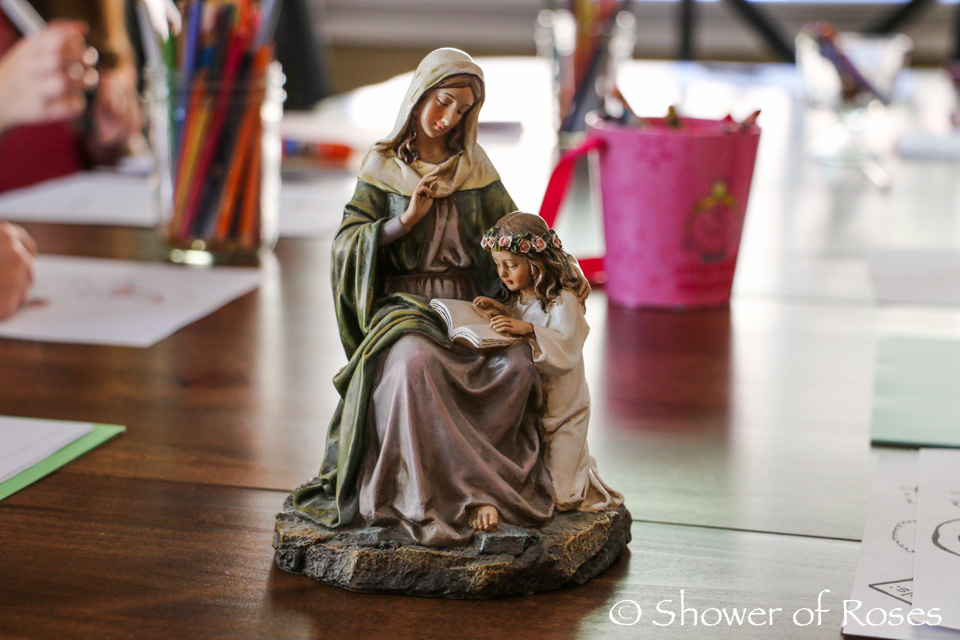 |
| Our beautiful St. Anne Statue (affiliate link) |
I will share pictures of our Saints Joachim and Anne Faith Folders with you all once they are completed, but in the meantime I have a couple Faith Folders to give away and a coupon code to share! I hope you all have a great weekend!
a Rafflecopter giveaway
Celebrating the 4th of July
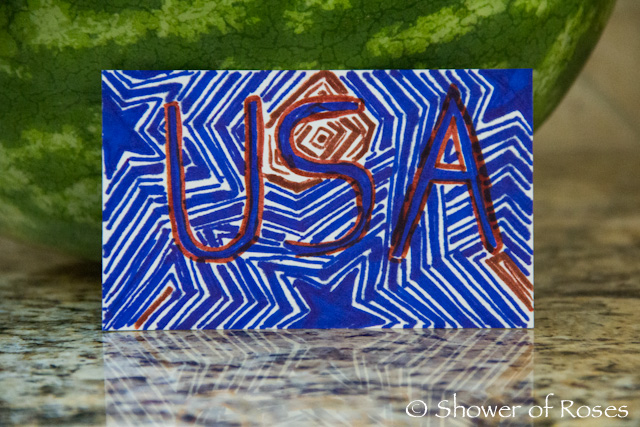
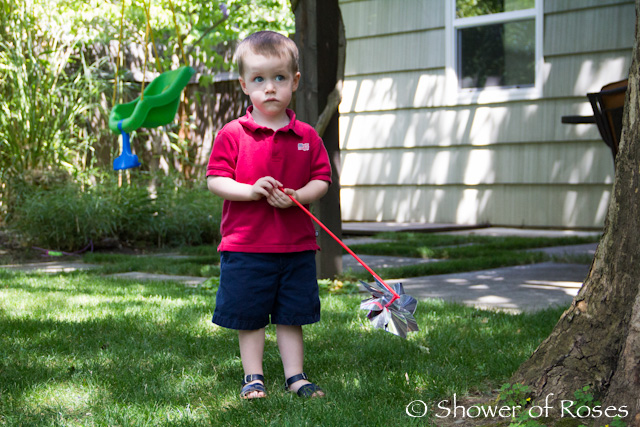
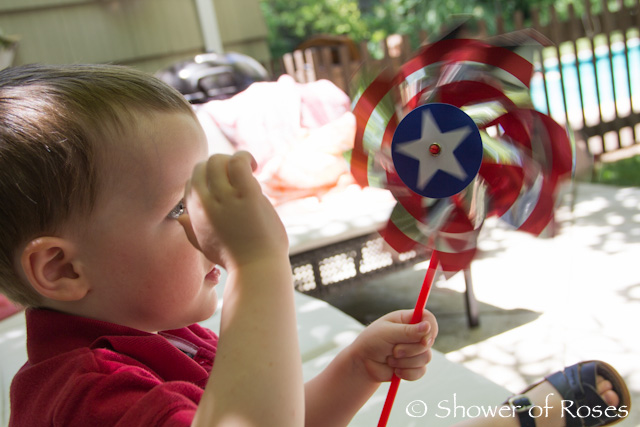
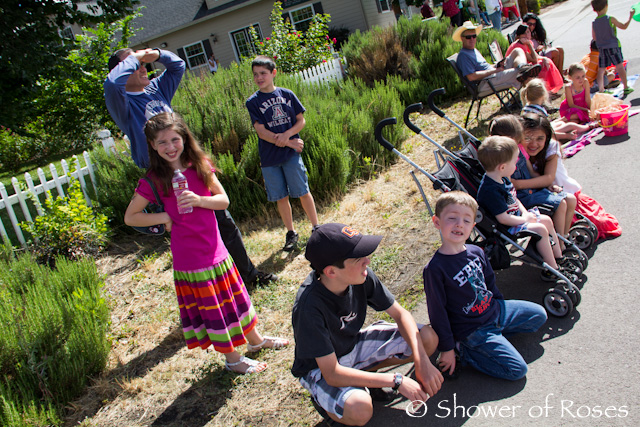
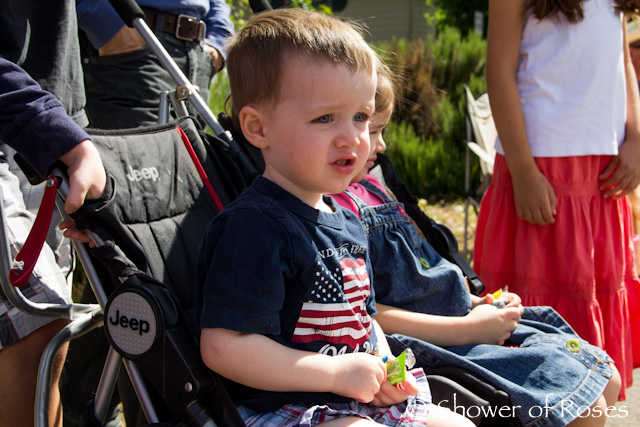
The 4th of July was a week ago and I still haven’t posted any pictures! Despite my lack of plans this year we ended up having a really nice day with family and friends.
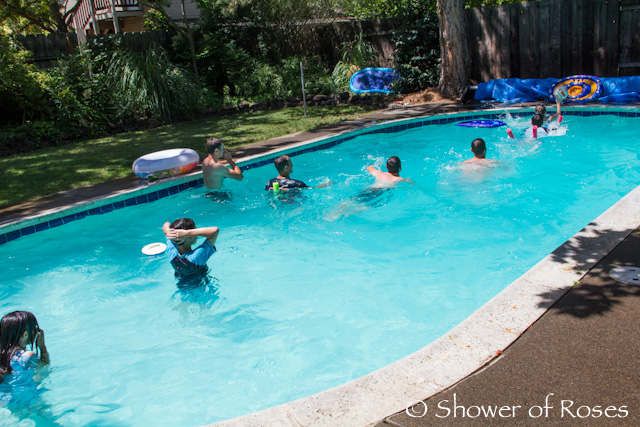

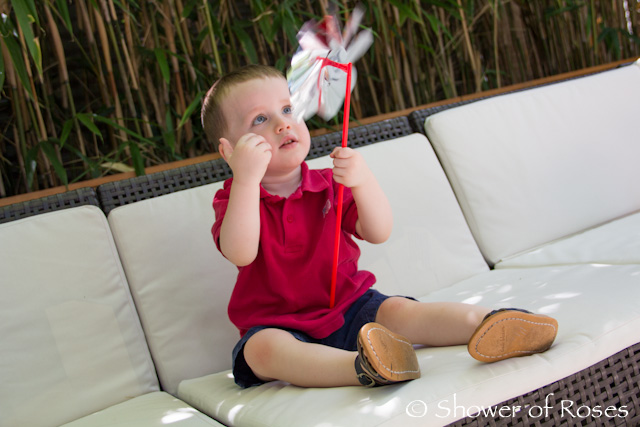
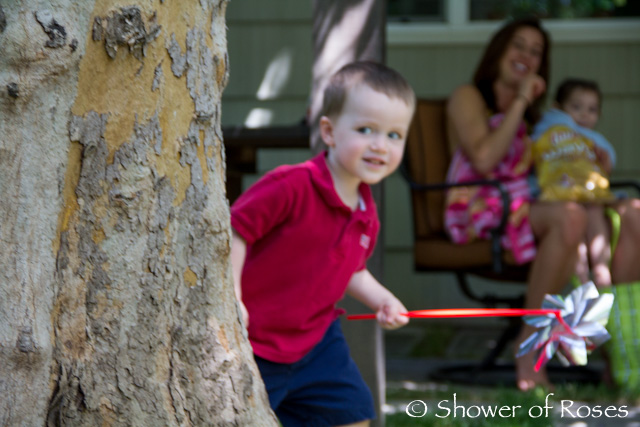

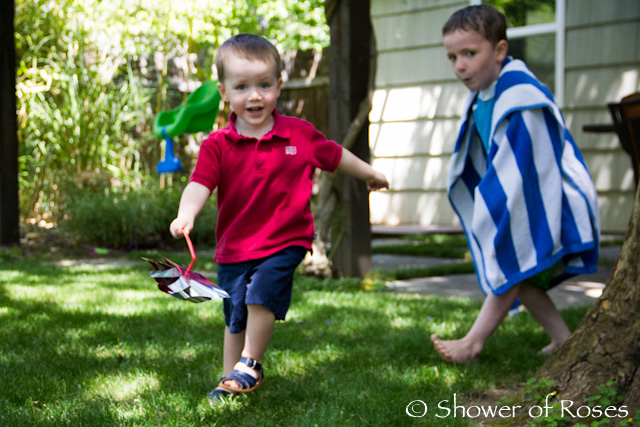
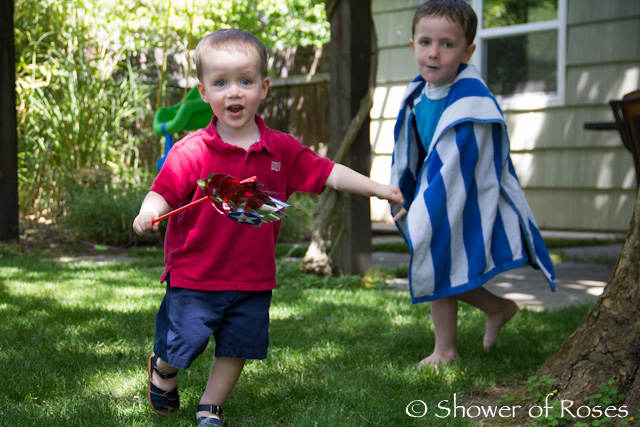

(Speaking of my brother Brian and his family, can you please offer a prayer for a safe delivery and healthy baby? My newest niece is due on the 23rd and could be arriving anytime!)
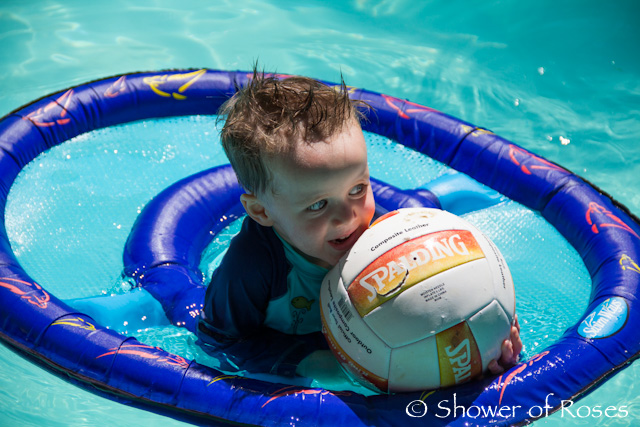
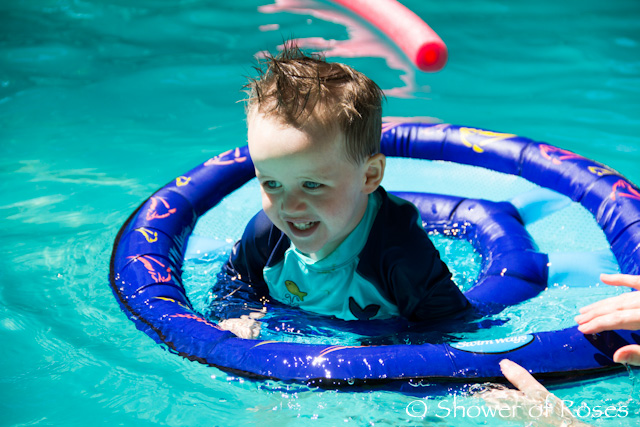
While all the big kids were eating, Bud and I took advantage of the calm water in the pool!
We headed back home by 6pm since we had invited a friend over for dinner and a rematch of Ticket to Ride, following some “Hockey!”
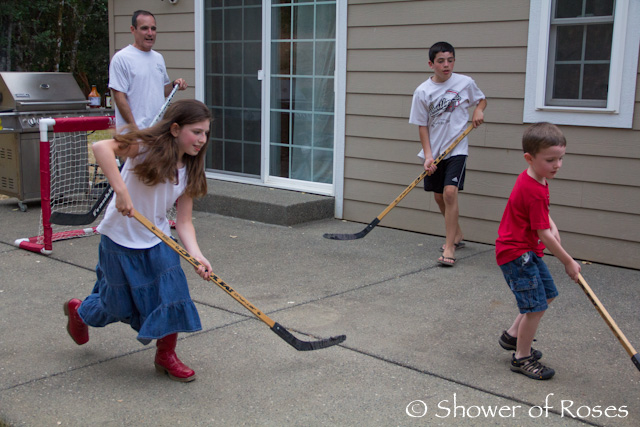
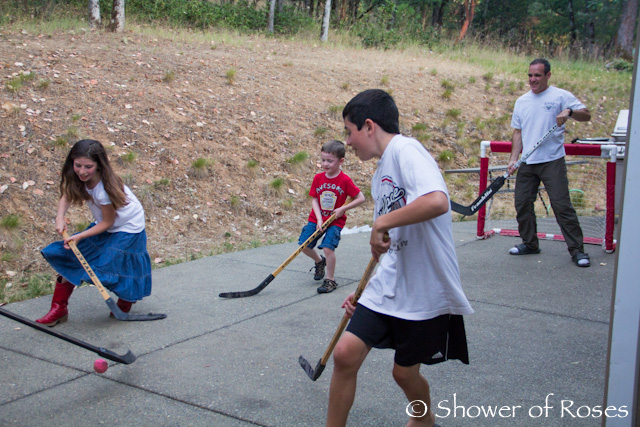
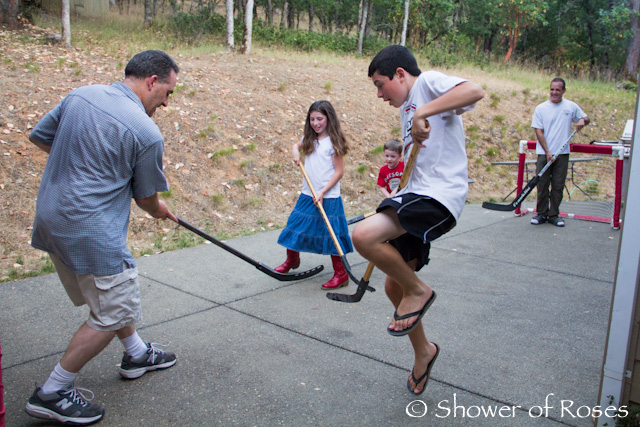
And Rose was just as cute as ever…
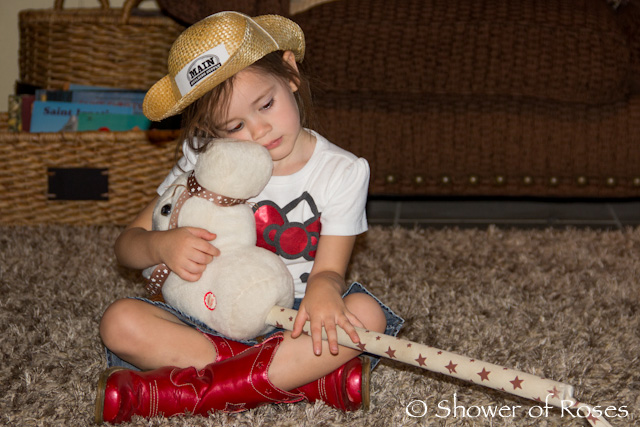
All the children were given little straw hats from the local building supply store during the parade the weekend before. She wrapped the chin strap over her hat to pull up the sides and turn it into cowboy hat. She had dressed herself for the 4th in her red cowgirl boots, jean skirt, hello kitty shirt, and hat!
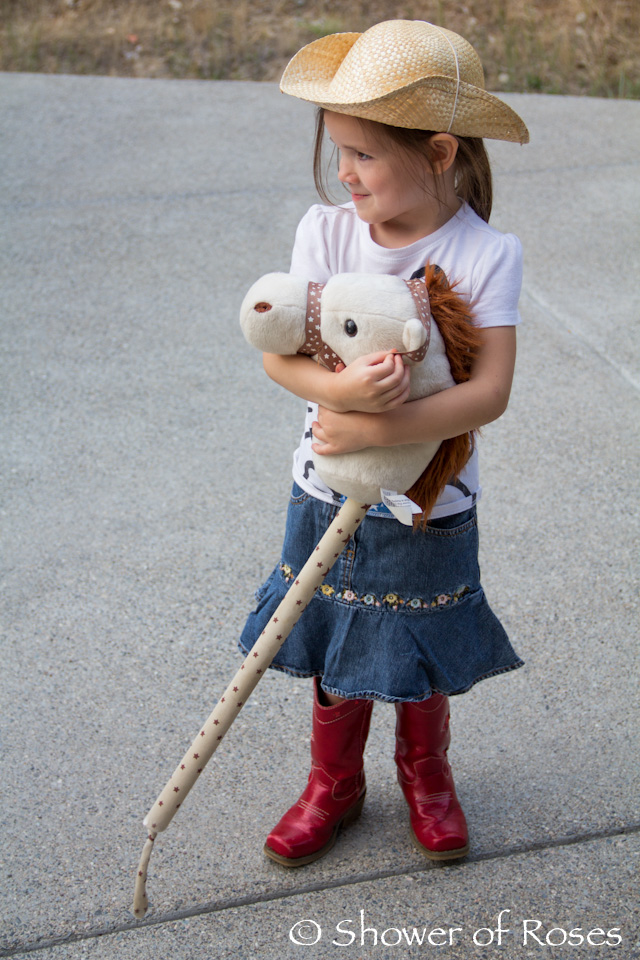
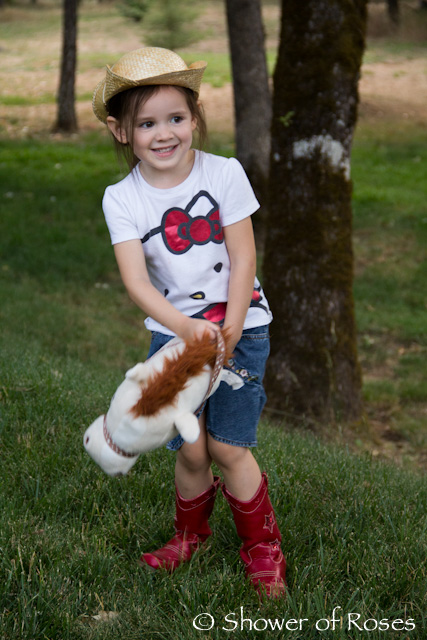

After hockey we grilled Tilapia Burgers to go along with potato salad and veggies. I skipped the bun.

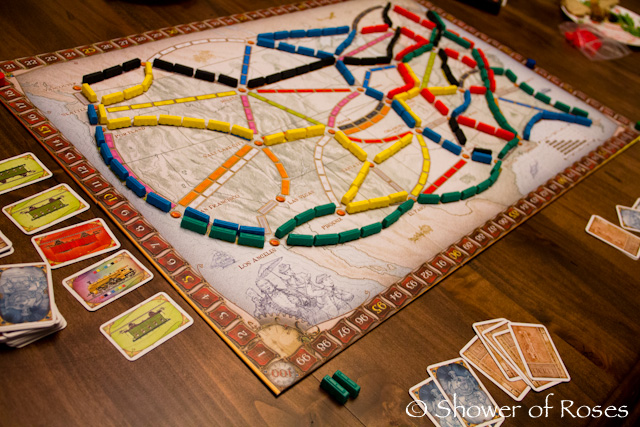
While we were playing Ticket to Ride we heard what we thought was someone shooting a gun, until we went outside to check. One of our crazy neighbors was setting off fireworks!

It had me worried all night (especially considering we are surrounded by trees and fire danger is high right now!) but the kids loved seeing them through the trees.

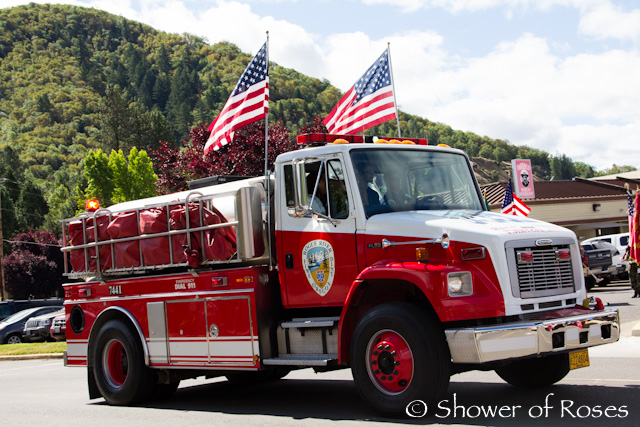
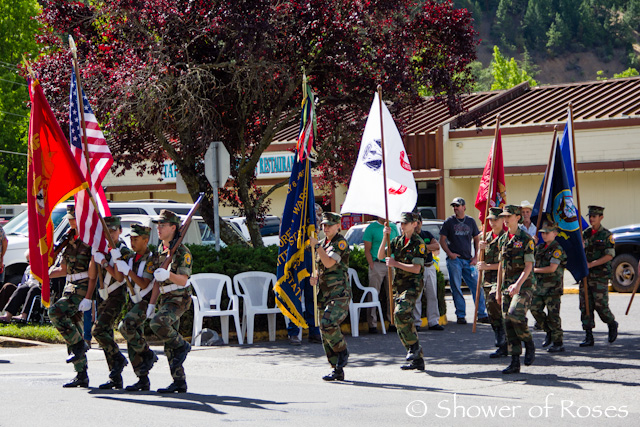
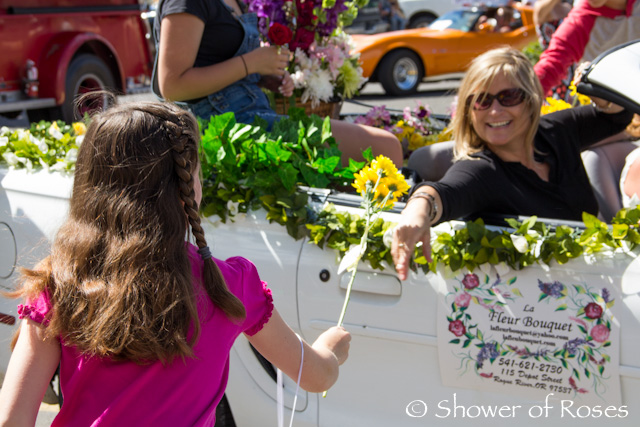
Pictures from the Parade





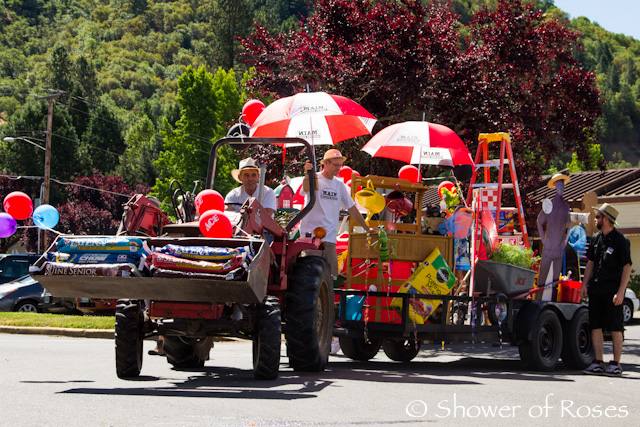
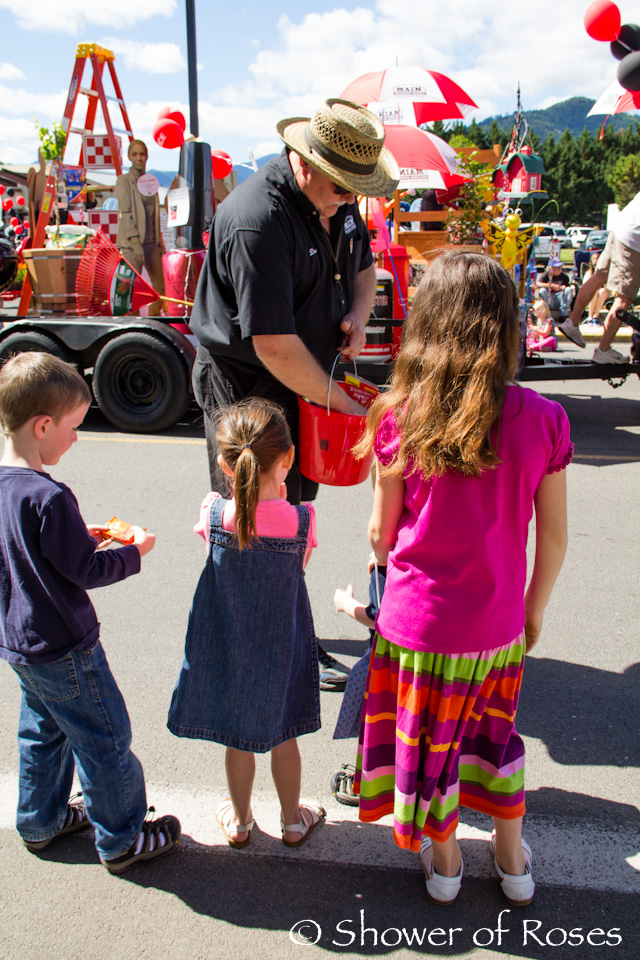


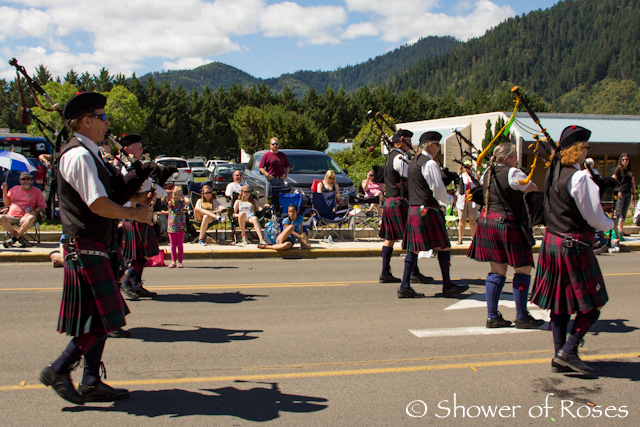

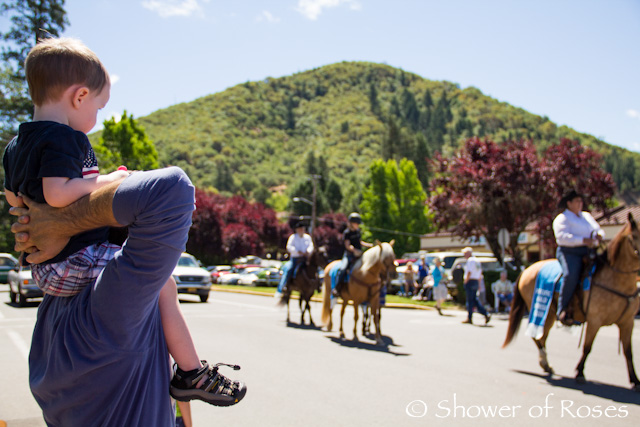
Mama’s Notebooks {Sponsored Giveaway}
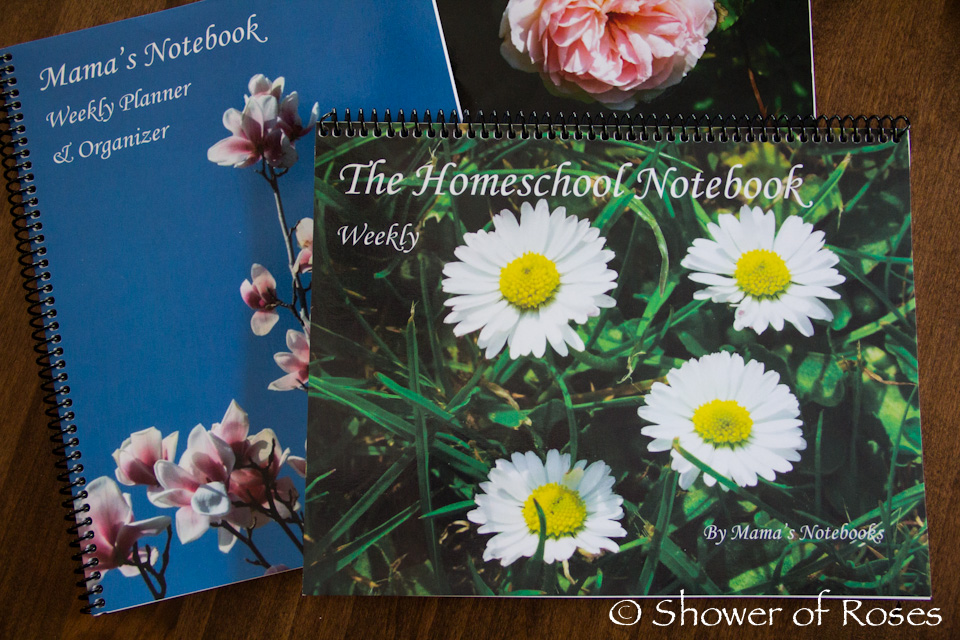
I’ve been working on finalizing my plans for our upcoming school year, ordering books, and getting organized with my favorite planners, checklists and notebooks!
Back in February I shared some of the things I love about my Mama’s Notebook. Since then Heather (the awesome creator of Mama’s Notebook who has actually been a parishioner at my husband’s brother’s parish while living in Texas!!) has made a few changes and I just started using the new updated version!
In addition to updating the calendar in the front of the planner to include 2014-2016, she has also added a new row to the planning chart called “Today” which is perfect for recording birthdays, trips, holidays, and Holy Days!
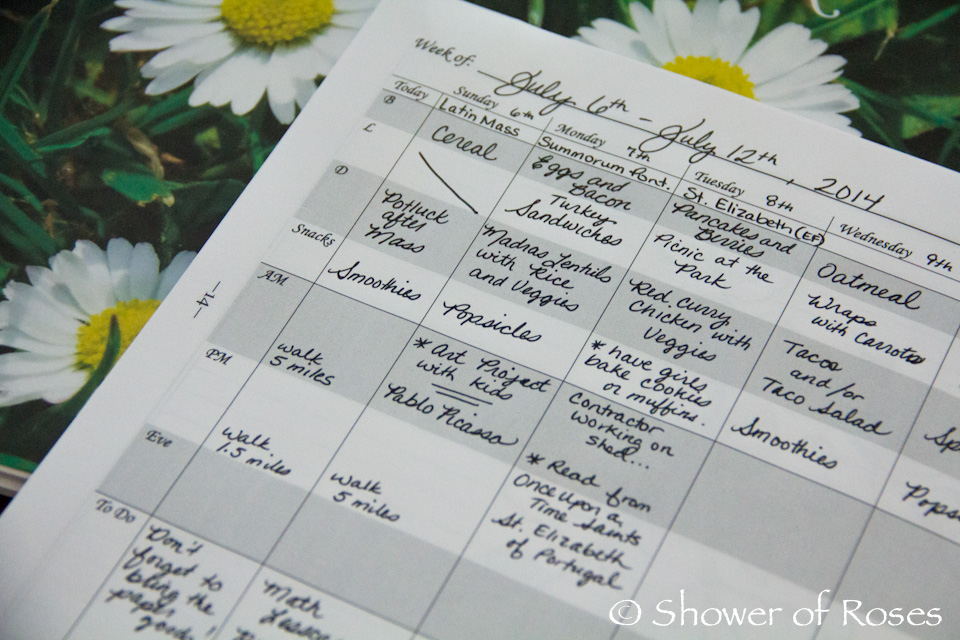
I have smaller planners that I have used for years and keep next to my computer/phone (and in my purse) for scheduling appointments and activities, but I really love these large spiral bound notebooks for planning meals, jotting down notes on our school projects along with what we’ve been reading, and now that I finally have dusted off the treadmill I’m also including how far I walk each day!
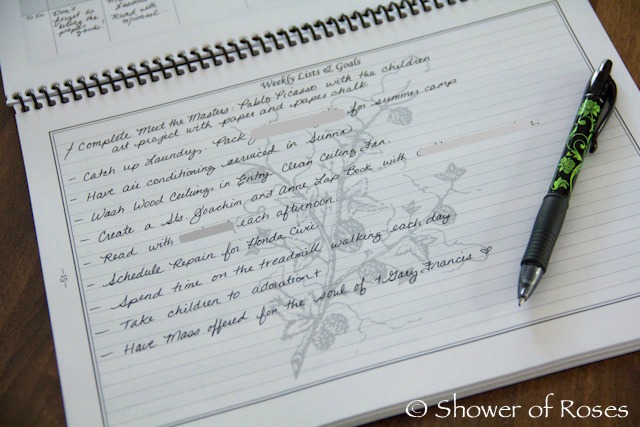
Mama’s Notebook also provides plenty of space for all my “Weekly Lists & Goals!”
Heather also sent me a review copy of The Homeschool Notebook (weekly version) and I’m really excited to start implementing it this upcoming school year! If you are looking for a unit or monthly planner, one is available here.
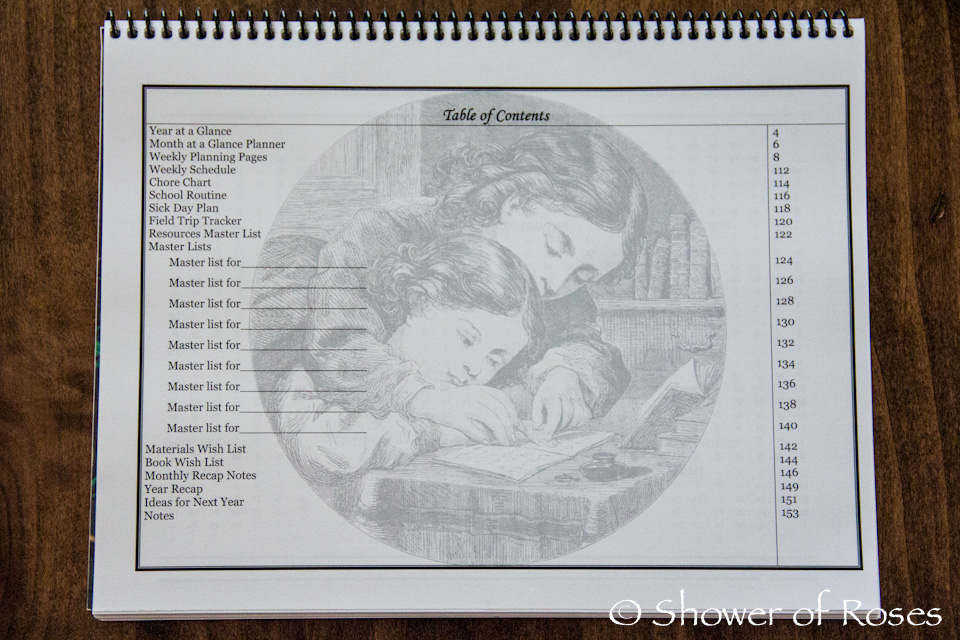
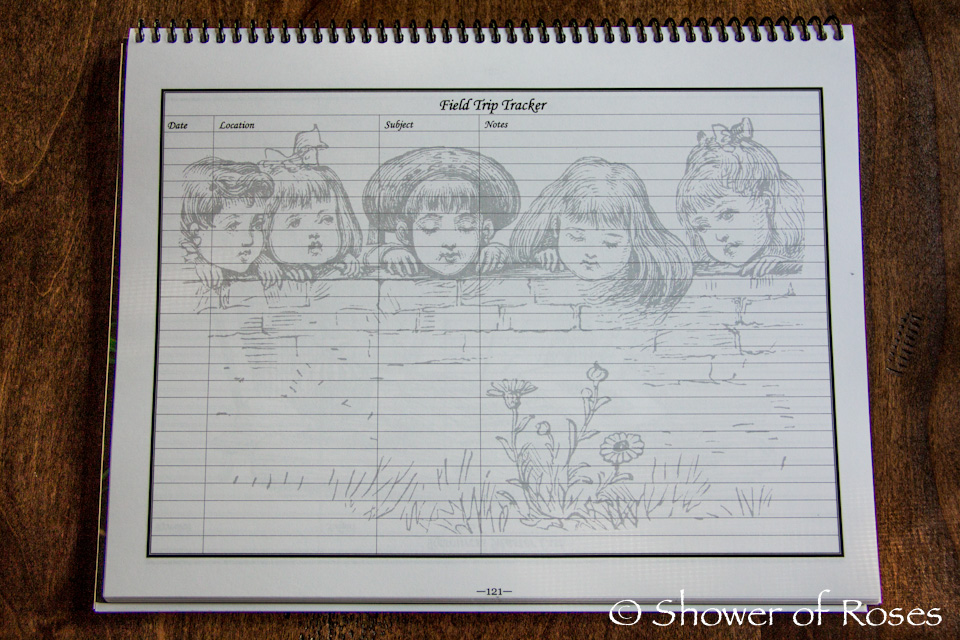
The Homeschool Notebook by Mama’s Notebooks provides you with a convenient and efficient way to lay out unit or monthly school plans. Each planning chart gives you room to lay out nine subjects, Monday-Friday. The chart boxes are made to have space for listing plans for more than one child.
The rear section of the notebook has space for you to plan out schedules, chores and routines, track field trips, list resources and activities, keep wish lists, recap and brainstorm for next year—all in one notebook! Included are 52 week pages for families who homeschool year round or in case you just need a fresh sheet to rework one of your weeks. There’s plenty of space! Pages are not pre-dated so that you have maximum flexibility in customizing the notebook to your family’s needs.
Please enter the giveaway using the Rafflecopter box below:
Frequently Asked Questions About the Latin Mass
In this pamphlet my husband quotes from a number of sources including The New Roman Missal, The Latin Mass Explained, Know Your Mass (excellent children’s book), The Story of the Mass, The Heart of the Mass, My Imitation of Christ, For the Visitor at Mass, and My Catholic Faith.
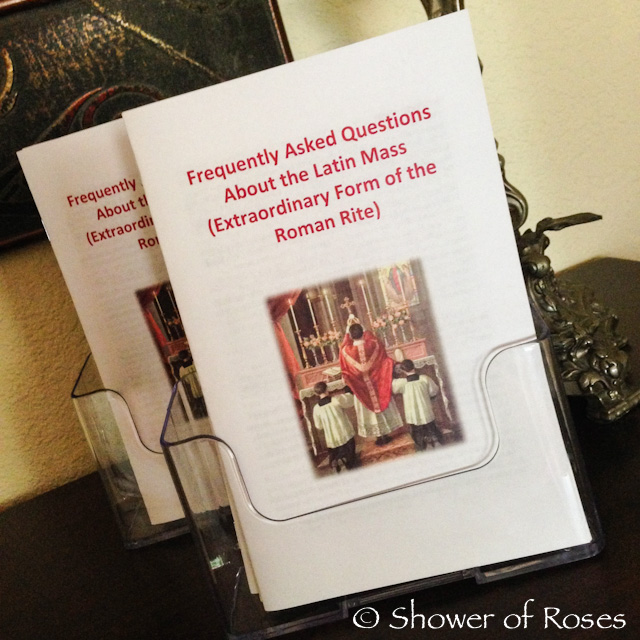
Note: You are welcome to print copies to share with family and friends.
About the Latin Mass
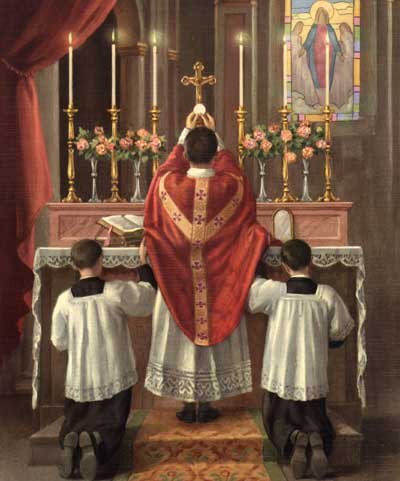
Introduction
The Second Vatican Council declared that “The liturgy is the summit toward which the activity of the Church is directed; at the same time it is the font from which all her power flows.” (Constitution on the Sacred Liturgy, Sacrosanctum Concilium (SC), No.10,Vatican II). The Latin Mass was celebrated by priests worldwide after the Council, including the stigmatist Padre Pio until his death (1).
In 1988, Saint John Paul II in his Apostolic Letter Ecclesia Dei, (July 2, 1988) expanded permission for the authorized Traditional Latin Mass of the Roman Rite: “By virtue of my Apostolic Authority I decree … (that) a wide and generous application” be given. On July 7, 2007, His Holiness Pope Benedict XVI issued his motu proprio Summorum Pontificum, which allows every priest in the Latin Rite to offer the Mass today according to the 1962 edition, promulgated by Saint Pope John XXIII during the Second Vatican Council. Pope Benedict XVI revealed that his motu proprio was intended for all the Faithful throughout the Universal Church, not just for priests when he cited in his accompanying letter to Summorum Pontificum (July 7, 2007):
“ . . . It has clearly been demonstrated that young persons too have discovered this liturgical form, felt its attraction and found in it a form of encounter with the Mystery of the Most Holy Eucharist, particularly suited to them.”
“ . . .There is no contradiction between the two editions of the Roman Missal. In the history of the liturgy there is growth and progress, but no rupture. What earlier generations held as sacred, remains sacred and great for us too, and it cannot be all of a sudden entirely forbidden or even considered harmful. It behooves all of us to preserve the riches which have developed in the Church’s faith and prayer, and to give them their proper place.”
Pope Benedict XVI then assigned the mass according to the 1962 edition “as an extraordinary form of the Liturgy of the Church” and that “the new Missal will certainly remain the ordinary Form of the Roman Rite.” The Holy Father added, “These two expressions of the Church’s Lex orandi will in no way lead to a division in the Church’s ‘Lex credendi’ (Law of belief). They are, in fact two usages of the one Roman rite.”
The Catechism of the Catholic Church (CCC) states that: “The mystery of Christ is so unfathomably rich that it cannot be exhausted by its expression in any single liturgical tradition.” (CCC, #1201). Many Catholics in the modern world, find it spiritually beneficial to recover contact with their heritage of worship and to strengthen their Catholic identity. As the Catechism of the Catholic Church succinctly says, “the liturgy itself generates cultures and shapes them.” (CCC, #1207).
How should a newcomer prepare for the Latin Mass?
A Roman Catholic priest answered this question this way: ‘for the first few times, we shouldn’t try to follow along or read. We should prepare and participate in a way similar to how we would for adoration of the Blessed Sacrament – quiet prayer and meditation, while enjoying the beauty of the Mass without distracting ourselves by trying to follow a text. That could be left for later.
The older form of the Mass, he explained, is actually easier for people at any level, any state of mind or at any place spiritually. Basically, it’s easier for everyone. Those who want to follow along can do so and get a good deal out of it. Those who are not ready to follow along can still “participate” in the way most suitable for them.
The Imitation of Christ teaches “let it then be our chief study to meditate on the life of Jesus Christ . . . what does knowledge avail without the fear of God? . . . If I should know all things that are in the world and should not be in charity, what would it avail me in the sight of God, who will judge me by my deeds?”
It is the “Mass for the advanced,” as well as the Mass for the weak, the poor, the suffering, the joyful, the ignorant – it’s the Mass for everyone. It effortlessly “meets people where they’re at.”
“The more humble a man is in himself, and more subject to God, the more wise will he be in all things and the more at peace.” – The Imitation of Christ
How should a regular participant discern the Mass?
Every Catholic should know some basic fundamentals surrounding the Mass. Foremost, the Mass is a renewal of Christ’s sacrifice on Calvary where Our Lord first offered Himself to the Eternal Father (7). The Mass is a New Law fulfillment of the sacrifices from the Hebrew priests in the Old Law. From the very beginning of the world and God’s covenant with man, man has acknowledged God’s existence and supremacy and given Him gratitude for His gifts by offering sacrifice. Bishop Morrow defines sacrifice as “the offering of a victim by a priest to God alone, and the destruction of it in some way, to acknowledge that He is the Creator and Lord of all things” (8). Sacrifice is done to adore God, show our gratitude, ask for his care over us, and atone for our sins against Him.
In the mass we unite ourselves with Jesus, just as the individuals at the foot of the cross on Calvary did twenty centuries ago, then through the action of the priest, Jesus offers Himself and us together to God (3). God accepts us with Jesus and anything else we offer to God at mass. God instructed us in the 3rd Commandment to “Remember to keep holy the LORD’S Day” therefore we must adore Him in the most perfect way; the Church tells us that the mass is this way. The Communion Proper for the Feast of St. Gabriel of Our Lady of Sorrows reads:
“Behold, I stand at the door and knock: if any man shall hear My voice, and shall open to Me the door, I will enter in to him and will sup with him and he with Me.”
Why is the Mass in Latin if I don’t understand it?
There are numerous reasons why Mass in the Extraordinary Form is offered in Latin. Professor of Philosophy at Our Lady of Guadalupe Seminary, D.Q. McInerny, provides the most direct answer to this question: “Because this is what the Church herself wants.” In the very first document published by the Second Vatican Council, Sacrosanctum Concilium, whose subject was the liturgy we read: “The Use of the Latin language, with due respect to particular law, is to be preserved in the Latin rites” (SC 36. 1). Recently canonized Saint Pope John XXIII who convened the Second Vatican Council wrote an Apostolic Constitution, “On the Promotion of the Study of Latin” wrote: Latin serves as “a most effective bond, binding the Church of today with that of the past and future in wonderful continuity . . . Latin is the Church’s living language.”
Saint John XXIII further states, that he is “fully determined to restore this language to its position of honor . . . so as to ensure that the ancient and uninterrupted us of Latin be maintained and, where necessary, restored.”
Saint John XXIII in this document also stated that the Church “values especially the Greek and Latin languages in which wisdom itself is cloaked, as it were, in a vesture of gold.” The Holy Spirit chose three languages in which to proclaim Christ as King when no one else would. On the day of His Crucifixion Hebrew, Greek, and Latin were the languages that proclaimed, “Jesus Christ, King of the Jews” on the inscription over the Cross (John 19:19-20). All three of these languages are used in the Extraordinary Form of the Mass.
Latin is particularly salutary on account of its universality and its unchanging nature. The use of Latin in Catholicism across the globe fosters unity and establishes among all the Faithful in the Universal Church a link to Rome making one family of God out of many nations separated by diversity of tongues, ethnicities, and races (2). Saint John XXIII wrote: “Of its very nature, Latin is most suitable for promoting every form of culture among peoples” and “it gives rise to no jealousies. It does not favor any one nation, but presents itself with equal impartiality to all and is equally acceptable to all . . . For the Church, precisely because it embraces all nations and is destined to endure to the end of time, of its very nature requires a language which is universal, immutable, and non-vernacular. Modern languages are liable to change, and no single one of them is superior to the others in authority.”
Moreover, the mass is more of an action than a prayer (2). What is more important is to know what the priest and us are doing – and the people join the priest more in action than in word (2). Thomas à Kempis in his book My Imitation of Christ advises us the proper manner to approach the altar: “Christ: so neither can it please Me whatever you give, as long as you offer not yourself. Offer yourself to Me, and give your whole self for God and your offering will be accepted.” In the Old Law, the people sometimes could not see what the Hebrew priest was doing, much less hear anything being said, yet they joined in the action of the priest with his own prayers, each for his own needs (2). Similarly, the people who assist at Mass unite with the priest in the one Great Act of offering the Most High the saving Victim, like Mary, St. John, and Mary Magdalene at the foot of the cross (2): “If, therefore, you desire to be My disciple, offer up yourself to Me with all your affections”(6).
Why does the priest have his back to me during much of the Mass?
Traditionally, churches were constructed to face east, towards the Heavenly Jerusalem. The entire community shares the same heavenly destination, demonstrated by this orientation. The direction of the priest and congregation facing “ad orientem” (Latin for “to the east”) signifies that the Mass is our collective offering to God through the channel of the priest.
This question can also be answered by three questions: Who is the most important person in the church building? Who are we here at Mass for? Whose day is Sunday? The answers to these questions show that the focus must be on God. During the Mass, the priest faces the most important Person in the building at church, Whom we are at Mass for, and Whose day it is; God, leading us in prayer to Him, as the pilot of an airplane leads those entrusted to him on his aircraft (and a pilot also has his back to those under his care).
Similarly, the priest is the spiritual head of the community. He offers sacrifice to God during Mass on our behalf. Taking bread and wine provided by the community, the priest offers to God the sacrificial Lamb with the objective of giving God our adoration, our plea to Him to continue looking after us, atonement for sins, and thanksgiving. The priest functions as our spiritual leader during the Holy Sacrifice of the Mass leading us in this mutually shared objective which can be likened to combat officers who exhibit their rank or insignias on the backs of their helmet so their unit can easily find and follow their leader to the assigned objective.
Why are there so many silent parts in the mass?
A Roman Catholic priest answered this question the following way: The General Instruction of the Roman Missal (GIRM) explains that the purpose of silence “depends on the time it occurs in each part of the celebration. Thus within the Act of Penitence and again after the invitation to pray, all recollect themselves; but at the conclusion of a reading or the homily, all meditate briefly on what they have heard; then after Communion, they praise and pray to God in their hearts.” Moreover, the instruction reminds us that we need silence “so that all may dispose themselves to carry out the sacred action in a devout and fitting manner.” Silence serves for our own benefit; it elevates our interior recollection to increase our personal devotion and grow in closer union with our Divine Lord.
Here we have the wisdom of the Church, as the Holy Spirit leads us to eschew all human priorities outside of God and to draw our hearts to the reality of this sacred encounter. The Mass finds its ultimate purpose in the condescension of God to meet with us and nourish us — and for us to respond in a manner worthy of this gift of all gifts. It stands to reason that our behavior at Mass will be proportionally devout to the degree we believe this meeting of heaven and earth is actually happening.
Pope Benedict XVI wrote that silence “must be a silence with content, not just the absence of speech and action. We should expect the liturgy to give us a positive stillness that will restore us. Such stillness will not be just a pause, in which a thousand thoughts and desires assault us, but a time of recollection, giving us an inward peace, allowing us to draw breath and rediscover the one thing necessary, which we have forgotten. That is why silence cannot be simply “made”, organized as if it were one activity among many. It is no accident that on all sides people are seeking techniques of meditation, spirituality for emptying the mind. One of man’s deepest needs is making its presence felt, a need that is manifestly not being met in our present form of the liturgy. For silence to be fruitful, as we have already said, it must not be just a pause in the action of the liturgy. No, it must be an integral part of the liturgical event.”
Why is the Canon of the Mass, the Consecration, whispered by the priest instead of spoken aloud for us all to hear?
In the wanderings of Israel through the desert, whenever the tabernacle had to be moved to another location, God commanded Moses to veil the holiest things of the sanctuary (Numbers 4:5-12), because holy things are veiled in mystery. Israel foreshadowed the Catholic Church (1 Corinthians 10:6) and the tabernacle foreshadowed the Catholic churches. So holy were the vessels of the sanctuary that God told Moses, “Let not others by any curiosity see the things that are in the sanctuary before they be wrapped up. Otherwise they shall die.” (Numbers 4:20). The holiest part of the Mass is the Canon, and the Consecration, and out of reverence for its sacredness, much of the Canon is veiled in the reverent silence of a whisper.
Why is the book transferred back and forth from the altar?
It is customary that churches be erected in such a manner that the priest faces the East (ad oreintem) when offering mass, in the direction of the Heavenly Jerusalem(1)(2). The North had come to be regarded as the foreign land of the Gentiles. When the “Gospel of the Kingdom” was first preached and rejected by the Jews, it was then carried to the Gentiles(1). This is signified by carrying the Missal to the other side of the altar and turned so that the priest now faces North for the Gospel reading instead of East. This action is done to glorify God in the successful delivery of the Gospel taking its first roots among the Gentiles.
Sources
(1) Kieron Wood. 1991. The Most Beautiful Thing This Side of Heaven. Newsroom, RTE, Donnybrook, Dublin 4, Ireland.
(2) Msgr. George J. Moorman. 2007. The Latin Mass Explained. TAN Books and Publishers, Inc., Charlotte, NC.
(3) Fr. Demetrius Manousos, O.F.M., Cap. 1954. Know Your Mass. Catechetical Guild Educational Society October 27, 1954. Reprinted by Angelus Press, October 2006. Kansas City, MS
(4) Conniff, James C.G. 1949. The Story of the Mass. The Neumann Press, 2002 Edition. Long Prairie, MN
(5) The Heart of the Mass: Explanations from various sources of the prayers, ceremonies, and mysteries of the Holy Sacrifice, and the benefits of devout participation (compiled from approved sources). 2003.Legend Publications, April 2003.
(6) Thomasà Kempis. My Imitation of Christ. 1954. Confraternity of the Precious Blood.
(7) Fr. Richard Gider. 2008. For the Visitor at Mass. Angelus Press, Kansas City, MS.
(8) Most Reverend Lois LaRavoire Morrow, S.T.D. Bishop of Krishnagar. My Catholic Faith. 1994. Sangre de Cristo Products, Inc.
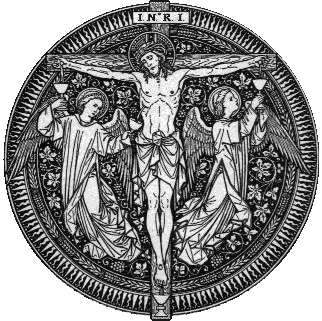
Introduction: The mass is divided into 2 parts: The Mass of the Catechumens and The Mass of the Faithful. The Mass of the Catechumens is considered The Mass of Preparation (3). The first half starts with us talking to God in prayer for reparation (Prayers at the Foot of the Altar to the Kyrie), in adoration and thanksgiving (Gloria), and for petition (Collects). The second half of the Mass of the Catechumens involves God talking to us: Epistle (Apostles and Prophets instruct), Gospel (Christ instructs), and the Sermon/Creed (the Church instructs).
The Mass of the Faithful proceeds from the Offertory to the Communion – it is considered The Mass of Fulfillment (3). Its purpose is to reoffer the sacrifice of the cross and to receive our Lord in Holy Communion.
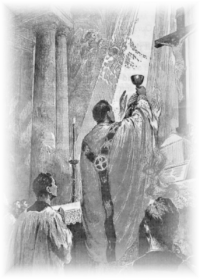
Asperges: From the Latin aspergere meaning to wash or sprinkle is a rite at least 15 centuries old (1). A ceremony that occurs before High Mass beginning with the prayer “Thou shalt sprinkle me with hyssop, O Lord, and I shall be cleansed . . . “ (Psalm 50). This is not the beginning of Mass, but rather a plea for mercy before entering into the presence of God and recalling David’s psalm of repentance from sin. The Hebrew use of sprinkling with hyssop, an aromatic plant, was referenced in Exodus where a bunch of hyssop was used to sprinkle blood for protection and sealing a covenant as well as for purifications (Numbers) (2). Father Lasance cites a 9th century document that reveals the origins of ceremonies of sprinkling:
“Every Sunday, before the celebration of Mass, the priest shall bless water in his church and, for this holy purpose he shall use a clean and suitable vessel. The people, when entering the church are to be sprinkled with this water . . . “ (1)
Holy water is used to remind us of our baptismal promises and the cleansing of our souls before entering the Great Mystery of the Mass. At the Easter Season, the verse is replaced with the Vidi Aquam.
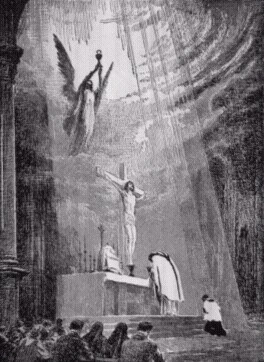 Prayers at the foot of the altar: This is the private, individual preparation by the priest and the people for their part in the mass. The priest and server recite Psalm 42. The priest to prepare him for approaching the altar recites it. This psalm was written by King David to express how much he
wanted to go before the altar of God. Fr. Paul Carr (FSSP) writes that “in the Old Testament, God required of the priests who ministered at His altar that their lives reflected His own holiness (Lev. 21:6).” Therefore, the Church, after David’s example, asks in this psalm to be freed from sin and temptation to piously offer the Sacrifice to the praise of the Divine Majesty (2).
Kyrie: The first step of our conversation with God. This threefold prayer of reparation invokes the Blessed Trinity imploring mercy from the Father, Son, and Holy Spirit to forgive us our sins. This is the only part of the mass that is in Greek – one of the oldest languages in which mass has been offered. The Church has also retained in the liturgy the Hebrew expressions Amen, Alleluia, Sabaoth, and Hosanna (2).
Confiteor: The priest first expresses sorrow for his own sins. The server, together with the people, then in turn tell God they too are sorry for their sins.
Introit: Should be considered the real beginning of Mass, which is why the priest makes the sign of the cross at the first words – a rule to begin all solemn functions (2). The Introit sounds the keynote of the mass and constitutes the public preparation by the priest and the people for their collective part (1). In a High Mass, it is read by the priest and sung by the choir. It is the first variable part of the mass. These variable parts are referred to as “Propers” because they show the proper nature of the day’s particular feast and change with each feast. The Introit is often taken from part of the Psalms.
Gloria: The Church’s greatest hymn of praise, its first words are taken from the angelic hymn to the shepherds Christmas morning (1). Said only on joyful feasts it, like the Kyrie, addresses the three persons of the Blessed Trinity:
- Father (from ‘Glory be to God high’ to ‘the Father Almighty’),
- Son (from ‘O Lord Jesus Christ’ to ‘art most high’),
- Holy Spirit (from ‘together with the Holy Ghost’ to ‘Amen’).
Dominus vobiscum: Each time the priest turns to the congregation to greet the people he wants to call their attention to a very special part of the mass. These greetings are found in Ruth 2:4, Luke 1:28, and 1 Cor. 16:23. The priest says this with hands parted towards the people welcoming us to the Sacrifice in a gesture of giving. Christ comes to us by means of His priest. With his open hands he is gently reminding us that he is imparting to us at Mass supernatural grace and everlasting life through Christ (4).
Collect(s): Prayer(s) of petition originally gathered on behalf of the people asking God the Father for some favor again invoking the Trinity. The word “collect” signified a meeting of the faithful for prayer in the early days of Christianity and contain the sum and substance of all favors asked by the priest for himself and for the people (2).
Epistle: “Letter.” Instructions from the Apostles and Prophets and fit to the occasion of the particular day or Feast, they remind us of the life and teachings of Christ.
Gradual, Alleluia, Tract, and Sequence: Short prayers following the Epistle to herald the Good News of the Gospel. The Gradual offers a short meditation on the Epistle. In the early days it was sung from the altar step (gradus being Latin for step and in our own use gradual meaning step by step) (4). The Alleluia is a Hebrew expression that means ‘praise ye the Lord’ and replaced by the Tract during Lent (1). The Tract is a longer less joyful prayer that takes the place of the Alleluia during sad or penitential times. The Sequence, a long poem, is added on certain feasts.
Gospel: Chosen from Matthew, Mark, Luke, or John, these readings change with the feast. The priest and people make the sign of the cross asking God for the grace to know and love His teachings with our minds, profess it on our lips, and follow it with all our heart.
Credo: The Creed is a public and solemn profession of the Faith (1) and expresses the chief truths a Catholic must believe. It prepares us for the Mass of the Faithful acting like a bridge or password into the great mystery of the mass. This prayer too is divided into what we believe concerning the Blessed Trinity: Father, Son, and Holy Spirit, then ending with the doctrines of the Church: Baptism, Resurrection, Eternal Life. The priest and people kneel at the words ‘Et incarnates est . . .’ to reverence the mystery of the incarnation adoring God made man (2).
Offertory and Secret: From these prayers we prepare for the Great Sacrifice by preparing the offerings, confessing our unworthiness, and asking for help. Here we go to God. Father Lasance points out that when the priest pours water and wine into the chalice it signifies the union of Christ with all Christians especially those assisting at Mass: “the priest petitions the heavenly Father to unite our poor human nature so closely with the divinity of Jesus that nothing may ever be able to separate it. And even as these few drops of water lose themselves in the wine, so may also we lose ourselves in the divinity of Christ” (1). At the Offertory the priest prays to God to purify him: for humility and contrition, for blessing purification upon our offerings, and washing his hands as a symbol of purity. Washing one’s hands is an ancient symbol for purifying one’s soul. We likewise ask God to cleanse our minds and hearts of everything that would take us away from Christ: the priest says, “Pray brethren, that my Sacrifice and yours may be acceptable to God the Father Almighty.” During the Secret, the priest speaks inaudibly acting as our mediator, speaking directly to God on our behalf (1).
The Canon: Sacrificial part of the mass, it immediately precedes the Sanctus. Father Lasance explains here that after the priest gives thanks to Almighty God for all His blessings, following the example of our blessed Lord at the Last Supper, the priest then, “alone and silently, enters upon the rite proper to the offering up of the unbloody sacrifice of the New Testament” and does this giving “utterance to the feelings of our great High Priest, Jesus Christ . . . and by the spirit of humility, love and adoration, which pervade these confident appeals to the omnipotent God” (1). It is also likened to the high priest in the Old Law who “entered alone into the Holy of holies. Like Moses, he spoke alone with God, and the Lord answered him . . . the priest’s voice no longer alternates in prayer with that of the people, for he alone is ordained to offer the sacrifice in the name of the Church, he alone can come into close contact with his Lord and his God. Silence envelopes, like a mysterious veil, the ‘enclosed garden’, the ‘sealed source’ of the divine mysteries” (1).
The holy offerings are blessed three times by the priest while being called gifts, having come from God, such as Abraham’s loving regard for his son; presents, that we give back to God like Abel’s sacrifice; and holy unspotted sacrifices, “having been set apart from every profane use and which are destined to become the body of the immaculate Lamb” (1), such as Our Blessed Lord offered to the Almighty on Mount Calvary.
Hanc Igitur: The bell rings once as the priest opens his hands and holds them flat, palms down, extending them over the chalice and host. The priest keeps his thumbs overlapped to represent the cross (4). This gesture symbolizes the Redemptive Sacrifice on the Cross where the entire world’s sins are laid upon Christ. In the Old Law, the Jewish priest used the same gesture to lay the sins of the people upon a goat, which was then driven forth into the desert, hence the term “scapegoat” (4). Likewise, this same gesture was performed over the head of a lamb, thus setting it apart for the altar, the victim burdened with the sins of the people and substituted in the place of sinners (2). These victim lambs prefigured Christ, Who is soon to become present upon the altar as the expiatory Victim making satisfaction for our sins (2), where our priest prays: “we therefore beseech Thee, O Lord, graciously to accept this oblation of our service, as also of Thy whole family . . .”
The Consecration: The priest, in the Person of Christ, reenacts the scene in the upper room, with his beloved disciples gathered around him, “takes bread into his hands, raises his eyes to heaven, and blesses the bread” (1), changing the bread’s substance into Christ’s Body and the wine’s substance into Christ’s Blood. These separate actions are a symbol of His Death, when His human Body and Blood were separated (4). “The Elevation of the Consecrated Host and Chalice is a reminder of the Saviour raised on the Cross” (1).
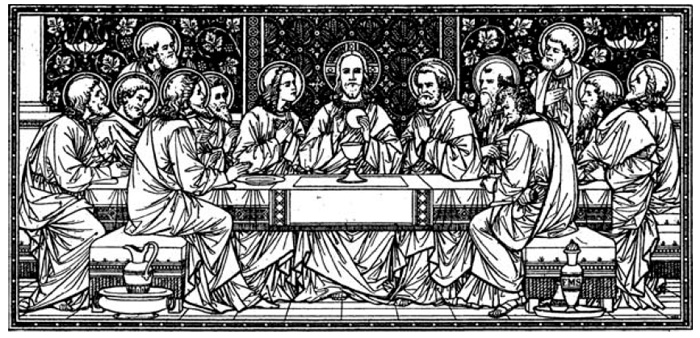
Prayers After the Consecration: The priest makes the sign of the cross 5 times over the host and chalice. Father Lasance explains that “the signs of the cross before the Consecration really bless the bread and wine and prepare them for transubstantiation; after the Consecration they are to be considered as commemorations – they are in memory of Christ’s passion . . . to the five wounds of Our Lord” [emphases added] (1). A prayer then follows asking God to receive our Sacrifice as He received the sacrifices in the Old Law, namely those of Abel, Abraham, and Melchisedech for the following reasons (4): God rejected Cain’s sacrifice because Cain did not offer himself with it while Abel did. Abraham and Melchisedech’s sacrifices both foreshadowed that of Christ, former subjecting his own will to God and latter offering a sacrifice of thanks. The faithful there present “who communicate with the priest during Mass” are then commemorated “for they are in the strict sense, offerers with him of the Holy Sacrifice” followed by an appeal for the Church Suffering in Purgatory “A place of refreshment, for they are in suffering; A place of light, for, as yet, deprived of God’s vision, they are in darkness; A place of peace, because they are enduring the purging flames” (1).
Nobis quoque peccatoribus: “To us sinners”. These words spoken aloud by the priest, while striking his breast, break the silence as he cries to the Lord from the depths of his heart, calling upon those present to unite their plea with his (5).
The Minor Elevation: At the minor elevation the priest ends the prayer ‘Through Him, and with Him’ . . . with the words in an elevated tone ‘World without end’ (‘Per omnia saecula saeculorum’) to signify the end of the prayer invoking the choir to respond “’Amen’ as “proof that the faithful in heart and mind with he priest in the act of sacrifice and prayer” (1). This also marks the end of the Canon.
The Communion to the Last Blessing: God comes to us. The Communion begins with the priest praying or singing the ‘Pater Noster’ alone, followed by the response from the choir ‘Sed libera nos a malo.’
The Consecrated Host is broken in two in remembrance of the same ceremonial actions performed at the Last Supper. From one of the halves, the priest breaks a small piece in a gesture called the Fractio Panis – the custom for the Jews in Christ’s day where the head of the household broke the large flat cake bread into smaller portions at table as a sign of the unity of those around the table and father’s love for them (4). The priest’s gesture likewise is a reminder to us that Christ, breaking the break, blessing it and giving it to His disciples telling them to eat, is inviting us to eat, as members of His household, the Bread of Life (4). Taking the small piece of Host, the priest makes the sign of the cross three times over the chalice and drops it in to dissolve with the wine as a dramatic reminder that although Christ’s blood was separated from His Body on the cross, His Body and Blood were reunited on Easter Sunday when Christ rose gloriously from the dead, victorious over the tomb (3)(4). Just as food becomes part of us when we eat it, so we become united with Jesus when we receive Him in Holy Communion (3). The norm for receiving Holy Communion in the Extraordinary Form of the Mass is kneeling and on the tongue.
The ‘Domine non sum dignus’ (O lord, I am not worthy, etc.) are “words full of faith and humility” that recall the contrite and humble heart of the centurion admired by Christ (1).
The prayer by the priest over each communicant as they kneel for Holy Communion is actually a Benediction where the communicant is blessed by the actual Body of Christ in the Blessed Sacrament with these words:
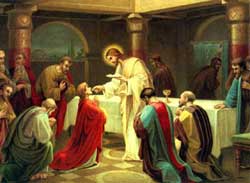
The faithful do not respond Amen, but rather contemplate, with humble acceptance and inward devotion, the Divine Creator of the World coming to them with all His Majesty and all His Humanity as the heavenly food for the healing of our souls for eternity.
Ite, missa est: ‘Go, it is the dismissal.’ Or, in masses where the Gloria is omitted, these words are replaced with ‘Benediamus Domino’ (‘Let us bless the Lord’). Before departing, the Church desires to impart some last minute instructions. We are first told to “go now and live the Mass”, repeating the words of Christ before His Ascension: to preach the Gospel (4). Then we are imparted with a final blessing of the Church that God may give us the strength to fulfill our duty. Finally, the Last Gospel is read to remind us of the instructions we received in The Mass of the Catechumens (the first half of the Mass). That if we are going to bring Jesus to the world, then we must remember the instructions received by Him (3).
Sources
(1) Rev. F.X. Lasance. 1993. The New Roman Missal. Christian Book Club of America. Palmdale, CA.
Conniff, James C.G. 1949. The Story of the Mass. The Neumann Press, 2002 Edition. Long Prairie, MN
Play-Doh Party
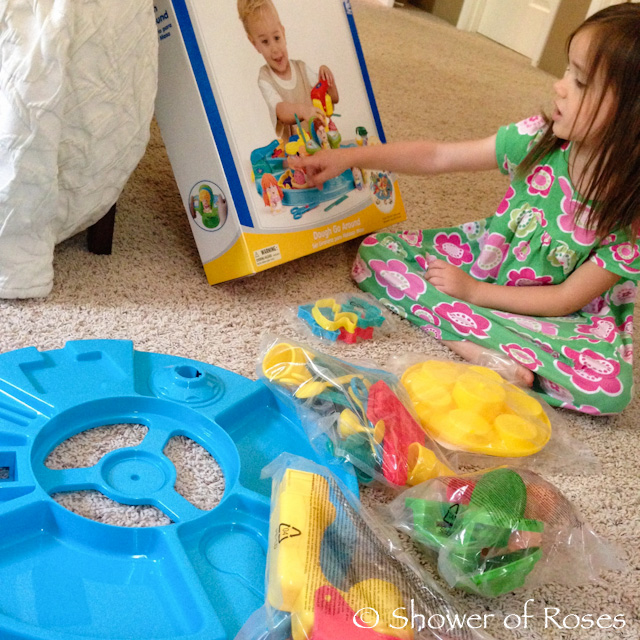
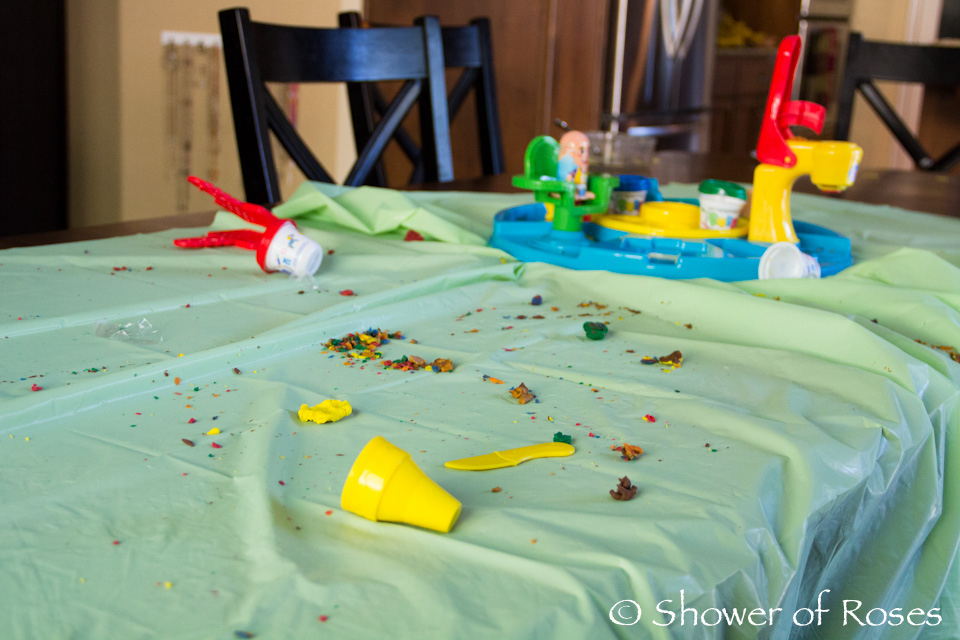
I posted this picture over at Instagram earlier today: Trying to sell her (anti-play-dough) mom on the awesomeness of this “36 Piece Dough Go Around” she chose as her raffle prize at Young Hunters Day this year… I think we will be heading straight outside as soon as we put it together!
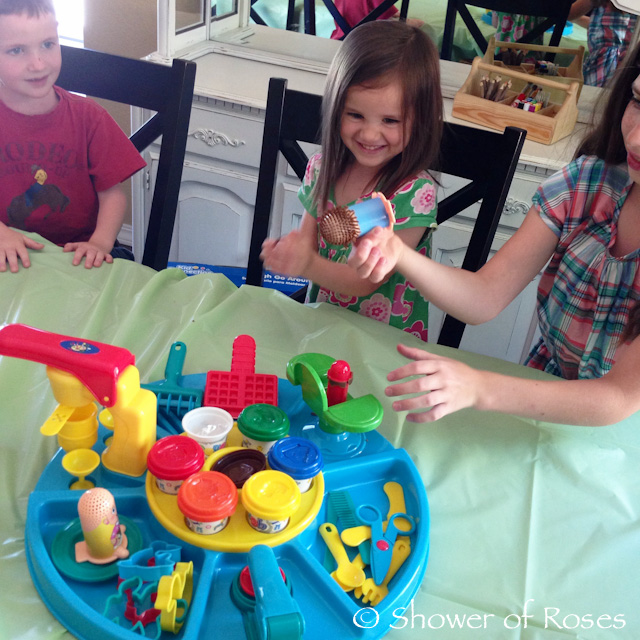


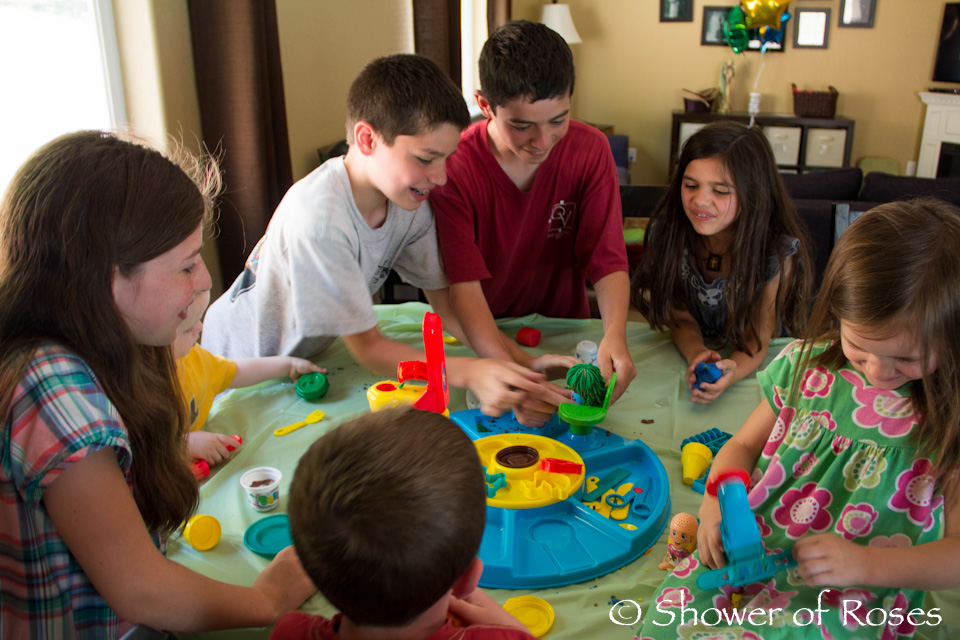
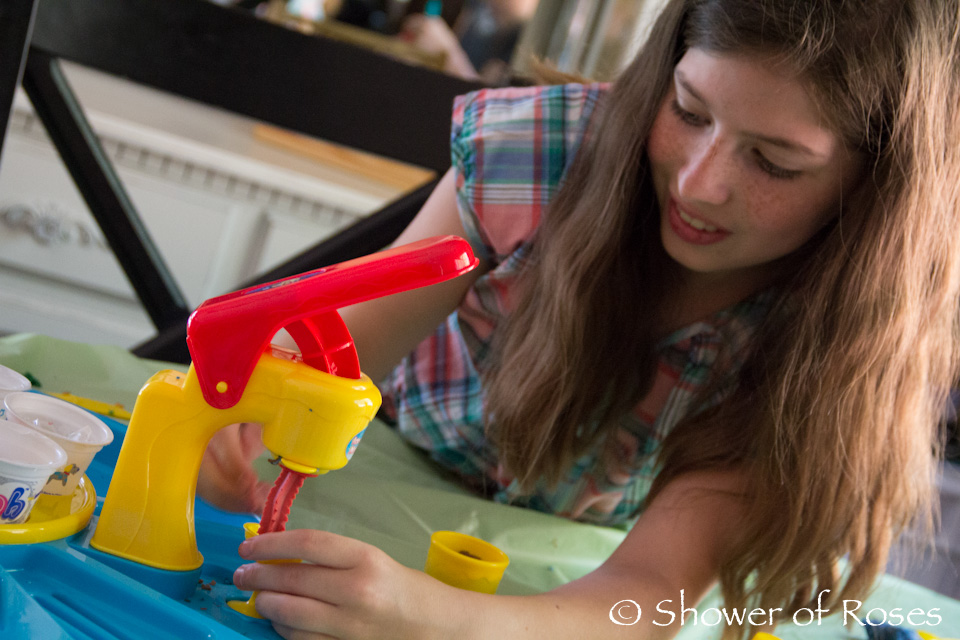

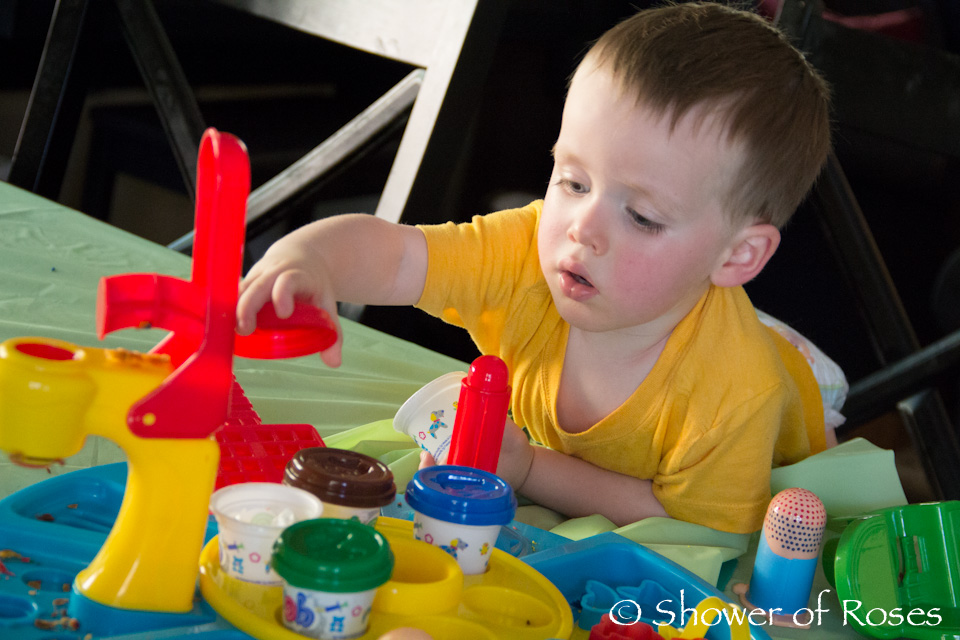
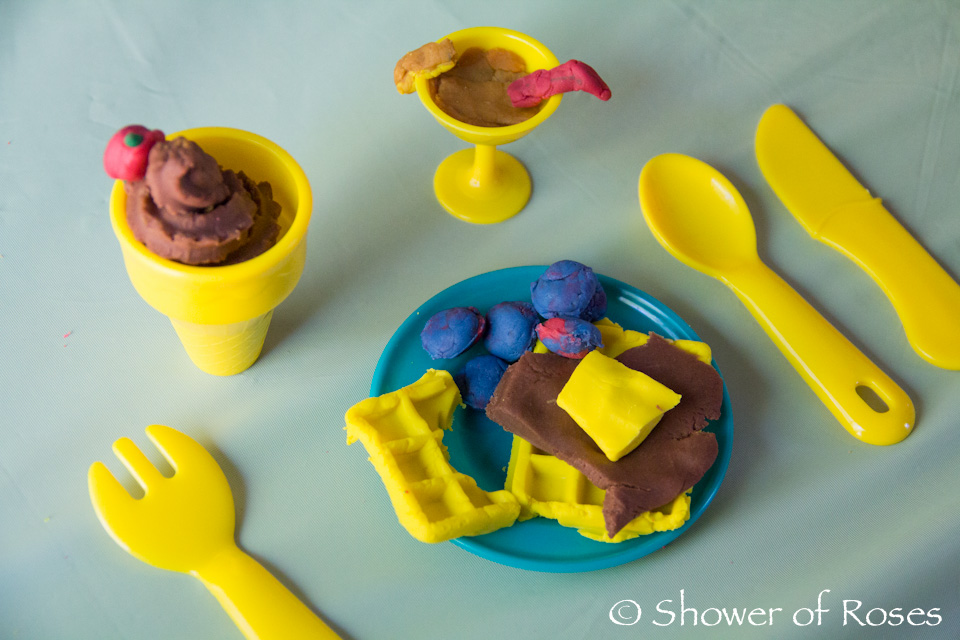
The older boys looked like they were having even more fun than the little ones!
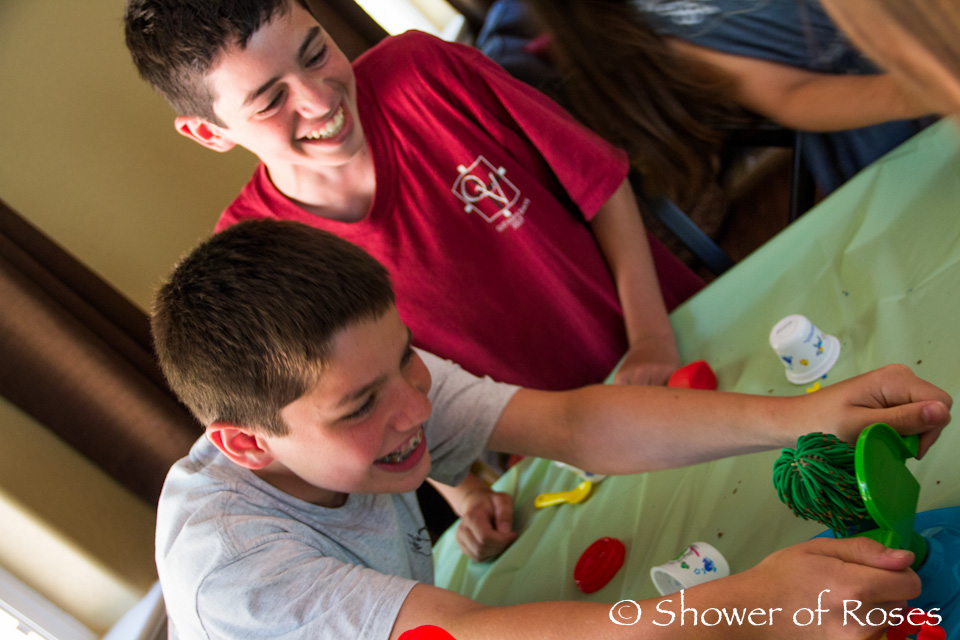
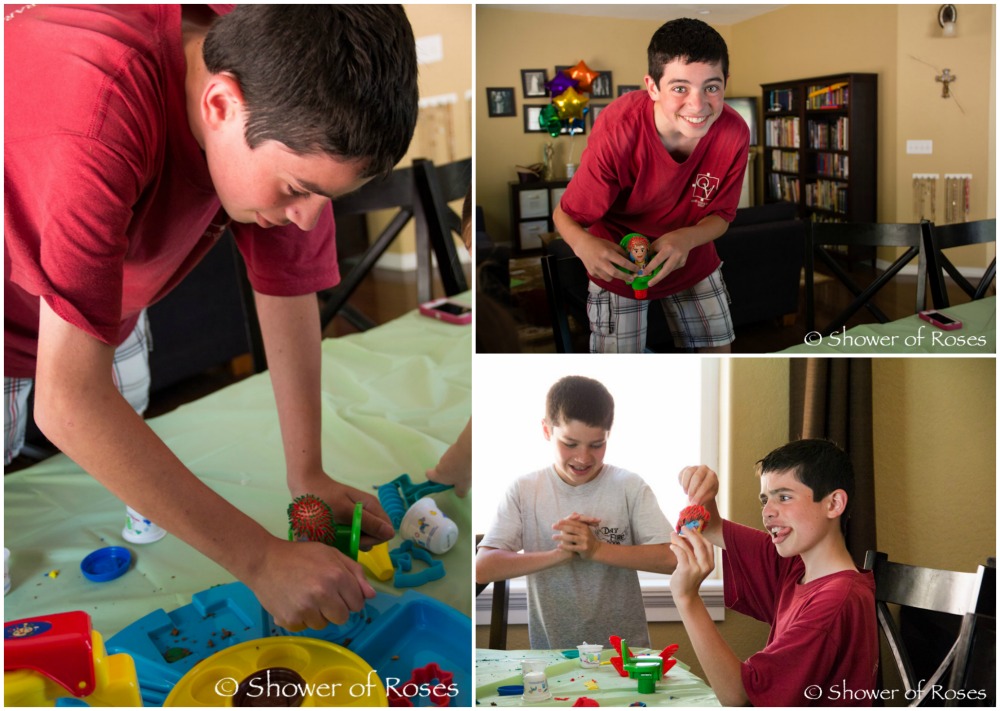
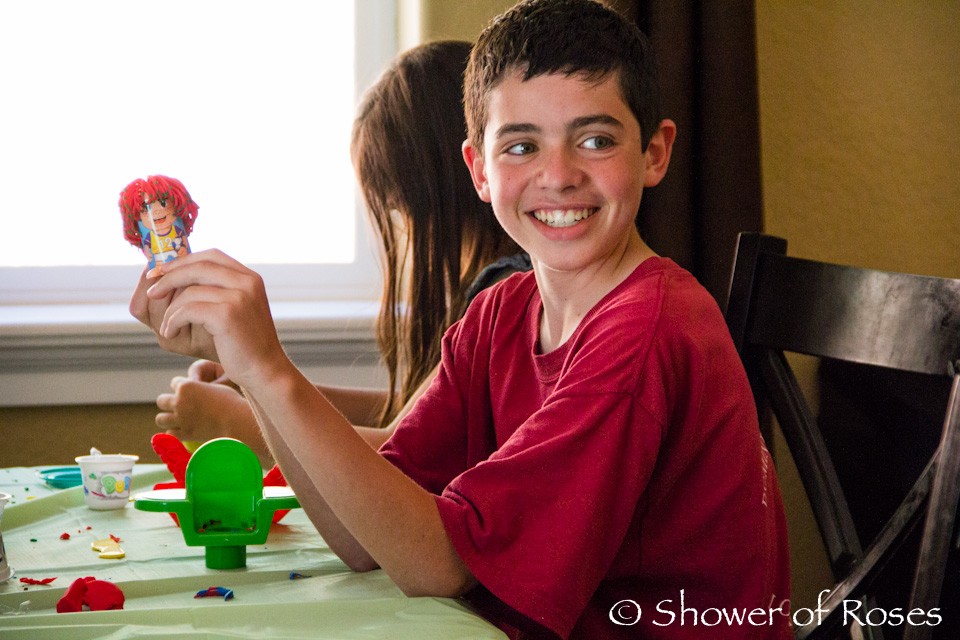
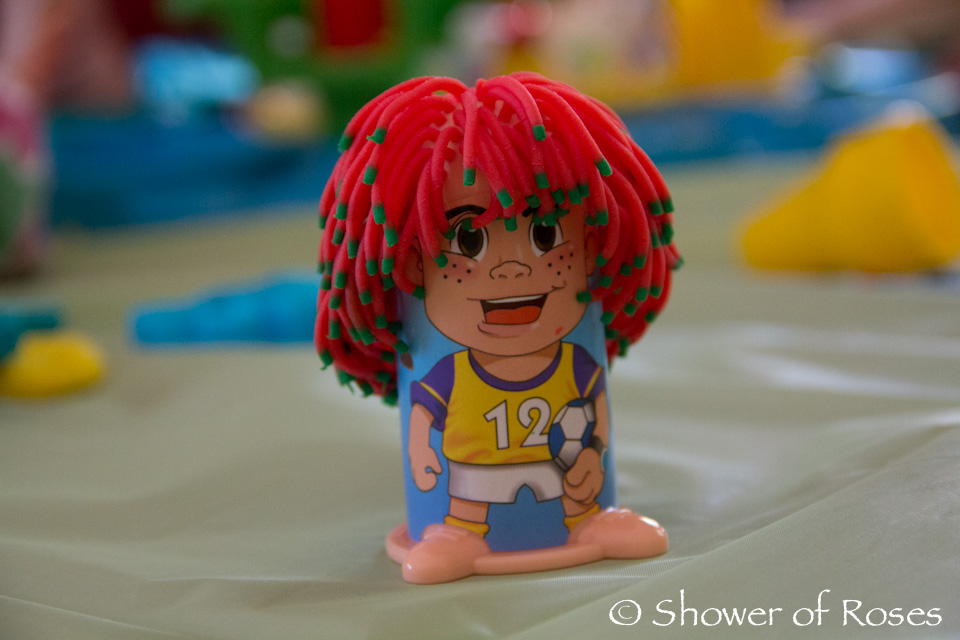

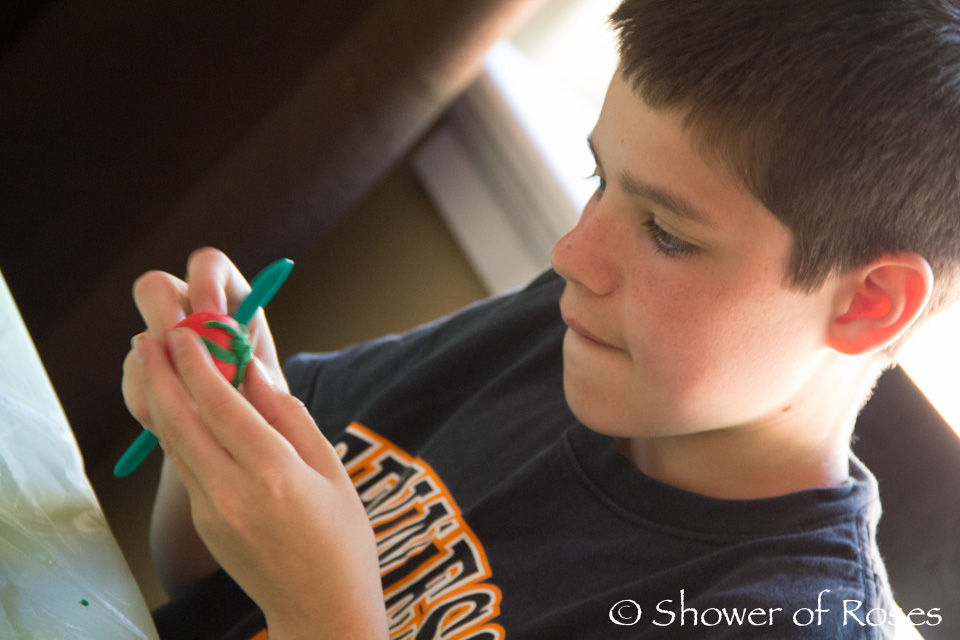
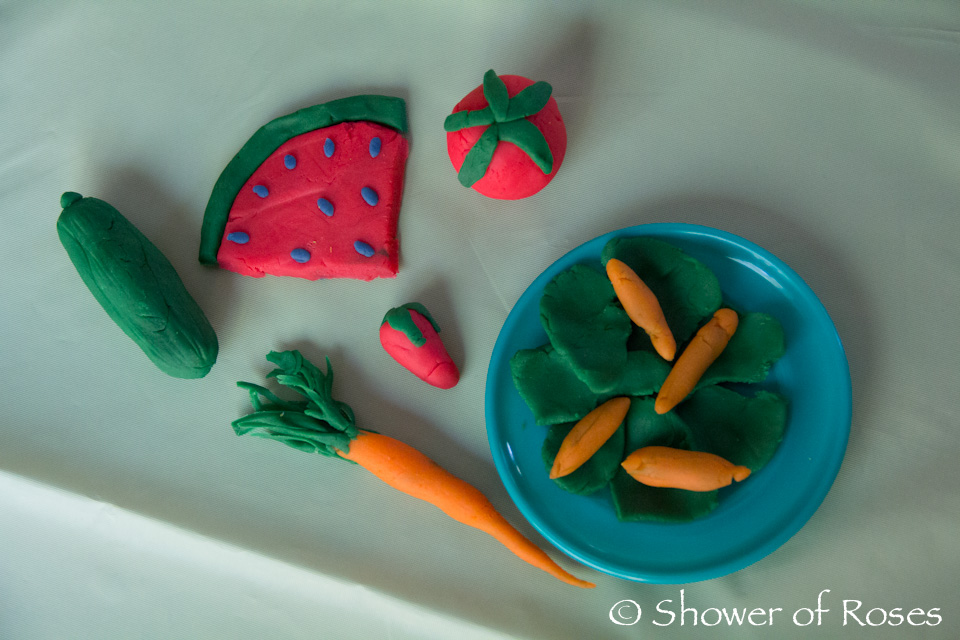
It kept them all busy for hours and was definitely worth the mess.
Feasts & Seasons :: Our July Book Basket
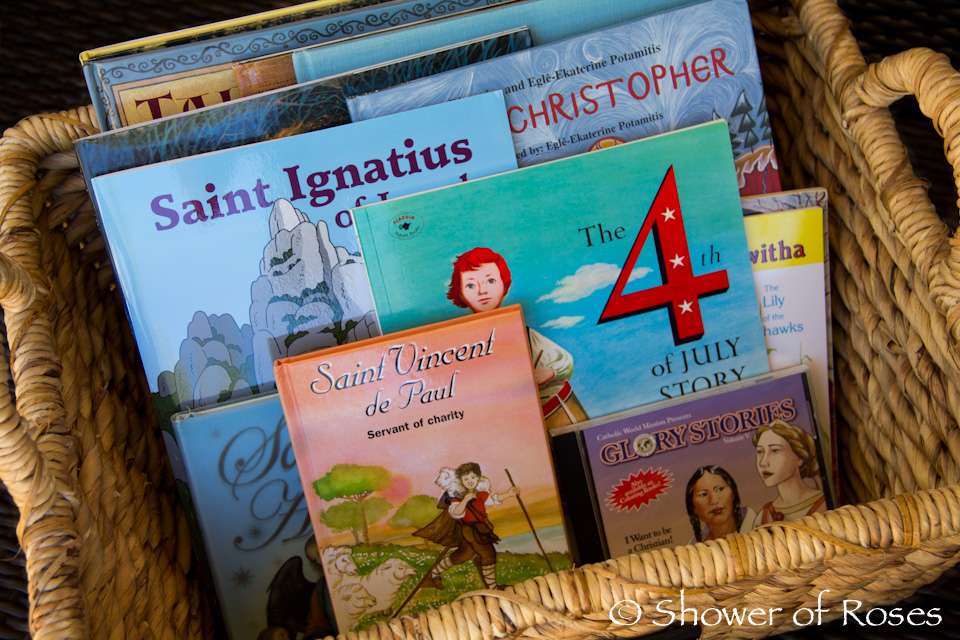
July Book Basket
At the beginning of each month I fill a basket with books featuring the the various saints whose feast days will be celebrated during the month and place it in the living room. Throughout the month I will find the children curled up on the couch reading books they have chosen from the basket, either on their own or to their younger siblings. I also choose books from the basket for some of our afternoon family read-alouds. Our collection started very small and we have continued adding additional books over the years which we have either purchased or have been given as gifts. Some are picture books, some are chapter books, and some are collections of saint stories. This post is a work in progress and I will continue adding links as I sort through our collection.
July 1st, St. Junipero Serra (New):
- The Mission Bell
- Song of the Swallows
- The First Californian: The Story of Fray Junípero Serra
- Serra: American Founding Father
- Junípero Serra: Founder of the California Missions
- Bl. Junipero Serra from Saints of the Americas Coloring & Activity Book
- California Missions Coloring Book (Dover)
- California Missions to Cut Out (Book 1) and California Mission to Cut Out (Book 2)
July 3rd, St. Thomas, the Apostle (Trad. – December 21st ):
- Thomas the Apostle (Around the Year Once Upon a Time Saints) by Ethel Pochocki
- St. Thomas (Saints and Angels) by Claire Llewellyn
- Thomas (The Twelve Apostles) by Marianna Meyer
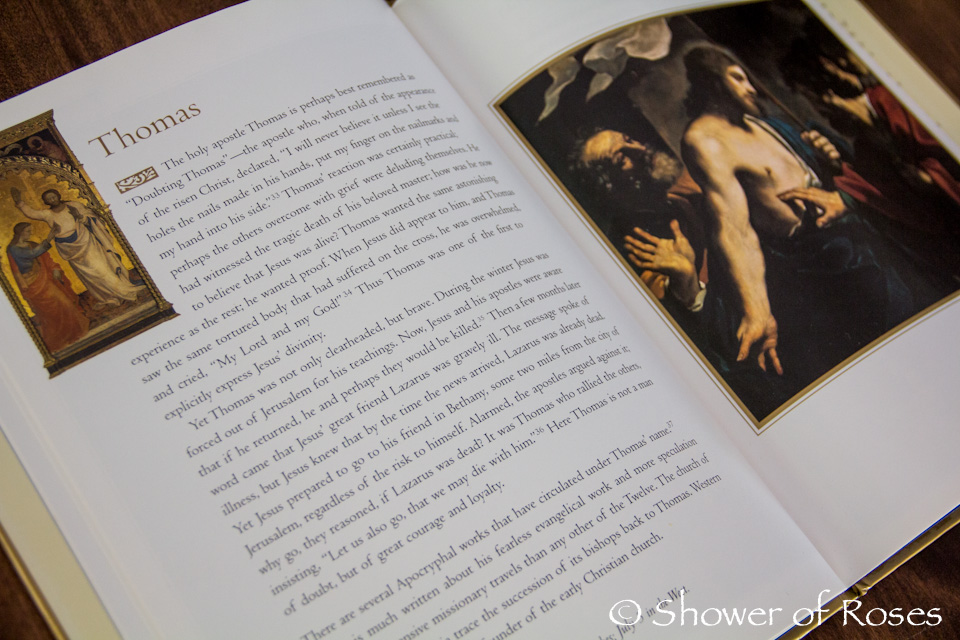
July 4th, St. Elizabeth of Portugal (New) (Trad. – July 8th):
- Elizabeth of Portugal (Once Upon a Time Saints) by Ethel Pochocki
July 4, Independence Day:
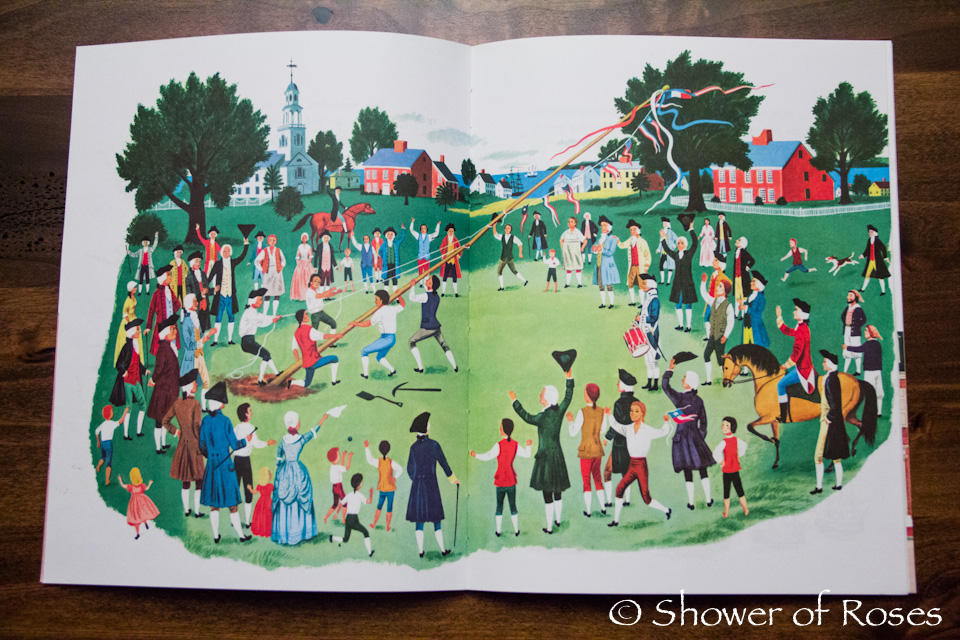
- The Fourth of July Story by Alice Dalgliesh
- See Unit Three of our American History Book List
July 6th, St. Maria Goretti (New, Hist.) (Trad – July 9th ):
July 11th, St. Benedict (New) (Trad. – March 21st ):
- St. Benedict (Lives of the Saints: An Illustrated History for Children) by Bart Tesoriero
- Saint Scholastica & Saint Benedict (Saints: Lives and Illuminations) by Ruth Sanderson
- Saint Benedict (Saints for Boys) by Alma Savage (Neumann Press – also available from TAN)
- B – St. Benedict (An Alphabet of Saints) by Robert Hugh Benson (Neumann Press – also available from TAN)
- In the Footsteps of the Saints: A Story of St. Benedict
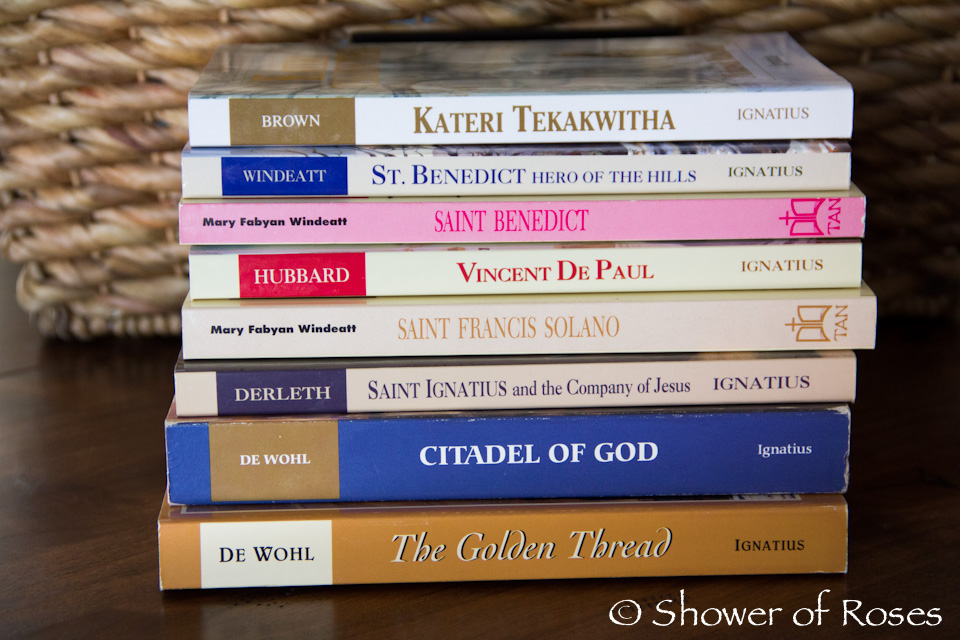
- St. Benedict, Hero of the Hills (Vision) by Mary Fabyan Windeatt
- St. Benedict: The Story of the Father of the Western Monks by Mary Fabyan Windeatt (Also available from TAN)
- Citadel of God: A Novel about Saint Benedict by Louis de Wohl (Note: This is not a children’s book, but I have really enjoyed reading the saint novels by Louis de Wohl.)
- The Life of St. Benedict
July 12th, St. Veronica of the Veil (Hist.):
- St. Veronica (Lives of the Saints: An Illustrated History for Children) by Bart Tesoriero
July 14th, St. Kateri Tekakwitha (New):
- Blessed Kateri Tekakwitha (Lives of the Saints: An Illustrated History for Children) by Bart Tesoriero
- Blessed Kateri Tekakwitha (More Saints: Lives and Illuminations) by Ruth Sanderson
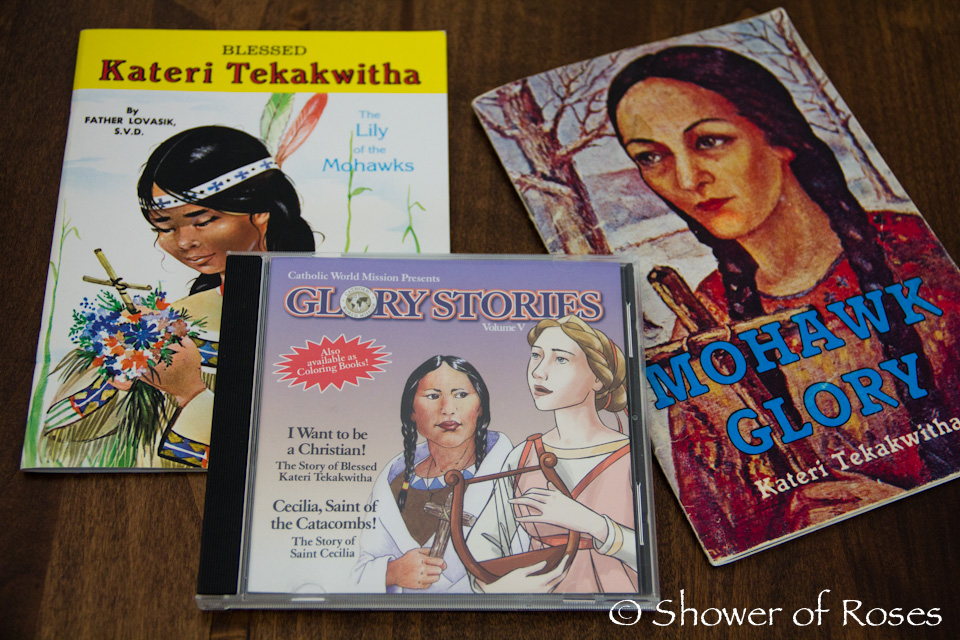
- Mohawk Glory: Kateri Tekakwitha by Sr. Mary Grace
- Blessed Kateri Tekakwitha: The Lily of the Mohawks by Father Lovasik
- Kateri Tekakwitha, Mohawk Maid (Vision) by Evelyn M. Brown
- Kateri Tekakwitha: Model of Bravery (Saints and Me!)
- Kateri Tekakwitha Paper Dolls
- I Want to be a Christian!: The Story of Blessed Kateri Tekakwitha (Glory Stories: Vol. V)
July 14th, St. Francis Solano (Hist.):
- St. Francis Solano: Wonder-Worker of the New World and Apostle of Argentina and Peru by Mary Fabyan Windeatt
July 15th, St. Swithin:
- Swithin (More Once Upon a Time Saints) by Ethel Pochocki
July 18th (USA), St. Camillus de Lellis:
July 19th, St. Vincent de Paul (Trad.) (New – Sep. 27th):
- Vincent de Paul (Around the Year Once Upon a Time Saints) by Ethel Pochocki
- St. Vincent de Paul (Lives of the Saints: An Illustrated History for Children) by Bart Tesoriero
- Saint Vincent de Paul (More Saints: Lives and Illuminations) by Ruth Sanderson
- St. Vincent de Paul: Founder of Hospitals (The Book of Saints and Heroes) by Andrew Lang
- Saint Vincent de Paul (Saints for Boys) by Alma Savage (Neumann Press – also available from TAN)
- V- St. Vincent of Paul (An Alphabet of Saints) by Robert Hugh Benson (Neumann Press – also available from TAN)
- V – An Alphabet of Catholic Saints by Nippert
- Saint Vincent de Paul: Servant of Charity (Along the Paths of the Gospel Series)
- Vincent de Paul, Saint of Charity by Margaret Ann Hubbard (Vision)
- Saint Vincent, Friend of the Poor (considering ordering to add to our collection)

July 22nd, St. Mary Magdalene (New, Trad.):
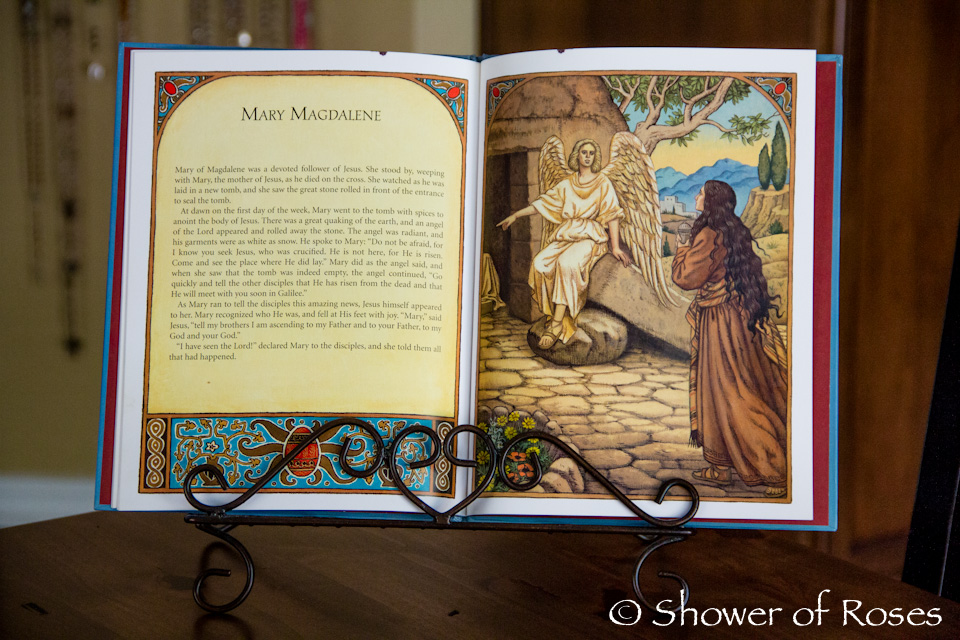
- Mary Magdalene (Lives and Legends of Saints) by Carole Armstrong
- Mary Magdalene (Tapestries: Stories of Women in the Bible) by Ruth Sanderson (Note: Tore out one of the pages in this book.)
- St. Mary Magdalene (Saints and Angels) by Claire Llewellyn
July 23rd, St. Bridget of Sweden (New) (Trad. – Oct 8th):
- Saint Bridget of Sweden (More Saints: Lives and Illuminations) by Ruth Sanderson
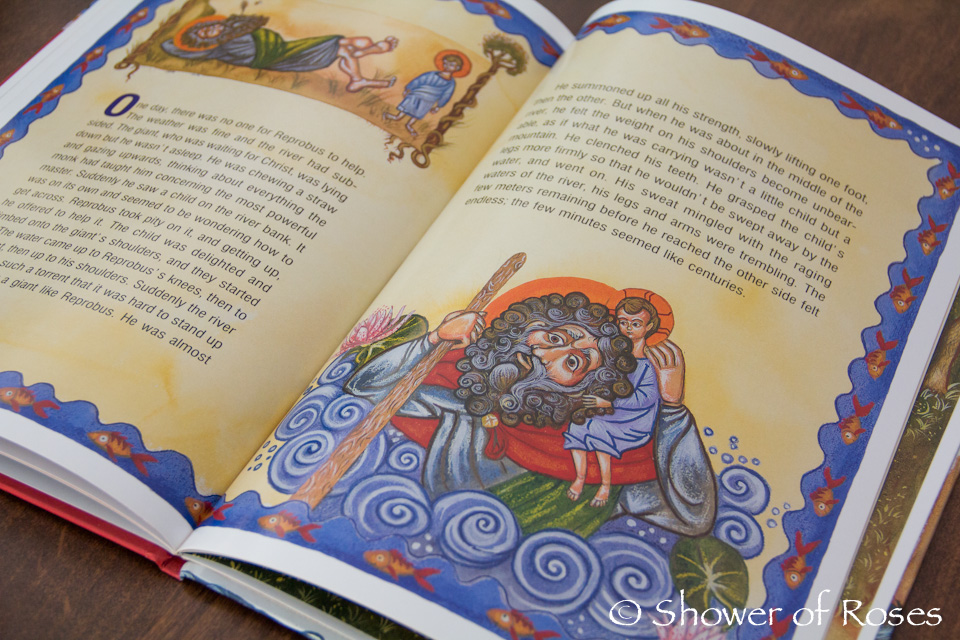
July 25th, St. Christopher (Trad.):
- Christopher (Once Upon a Time Saints) by Ethel Pochocki
- Christopher (Lives and Legends of Saints) by Carole Armstrong
- St. Christopher (Lives of the Saints: An Illustrated History for Children) by Bart Tesoriero
- Saint Christopher (Saints: Lives and Illuminations) by Ruth Sanderson
- C – St. Christopher (An Alphabet of Saints) by Robert Hugh Benson (Neumann Press – also available from TAN)
- The Legend of St. Christopher by Margaret Hodges
- Saint Christopher by Dionysios Potamitis
- St. Christopher (Saints and Angels) by Claire Llewellyn
- In the Footsteps of the Saints: A Story of St. Christopher (Level 1, Set 5)
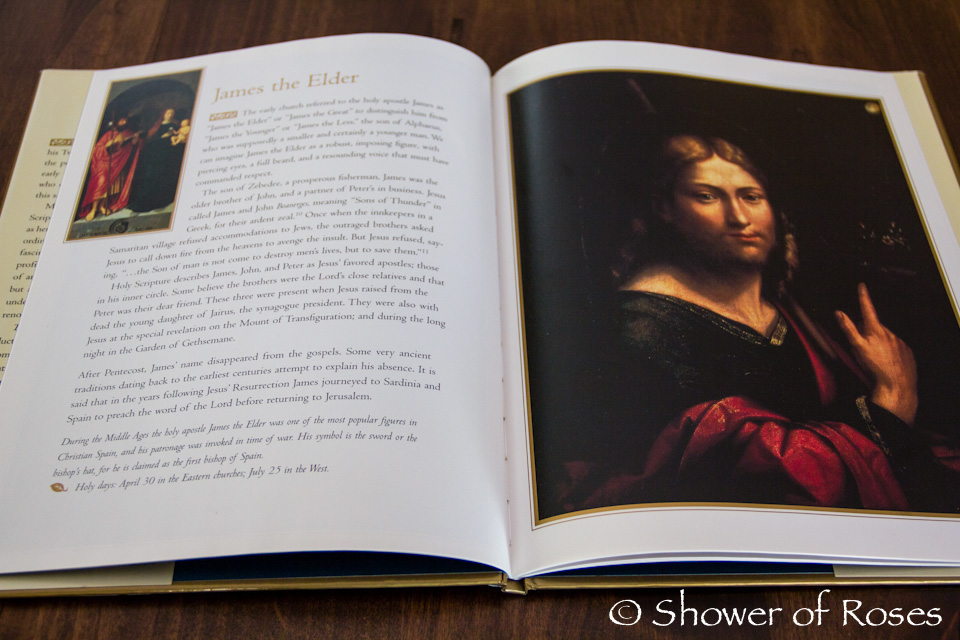
July 25th, St. James the Greater (New, Trad.):
- James the Elder (The Twelve Apostles) by Marianna Meyer
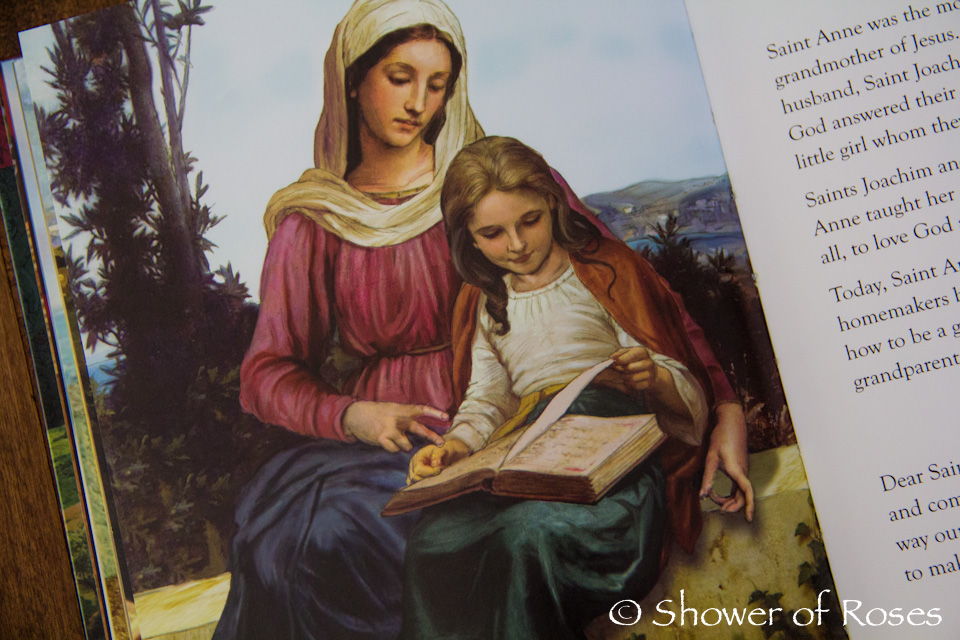
July 26th, St. Anne (New, Trad.):
- Anne (Once Upon a Time Saints) by Ethel Pochocki
- St. Anne (Saints and Angels) by Claire Llewellyn
- St. Anne (Lives of the Saints: An Illustrated History for Children) by Bart Tesoriero
- Joachim & Anne: Love for Generations (pre-ordered)
July 27th, Sts. Maximianus, Malchus, Martinianus, Dionysius, Joammes, Serapion, and Constantius (Hist.):
- Seven Sleepers of Ephesus (More Once Upon a Time Saints) by Ethel Pochocki
- St. Malchus: Captive Monk (The Book of Saints and Heroes) by Andrew Lang
July 29th, St. Martha (New, Trad.):
- Martha (More Once Upon a Time Saints) by Ethel Pochocki
- Mary and Martha (Tapestries: Stories of Women in the Bible) by Ruth Sanderson (Note: Tore out one of the pages in this book.)
- St. Martha (Lives of the Saints: An Illustrated History for Children) by Bart Tesoriero
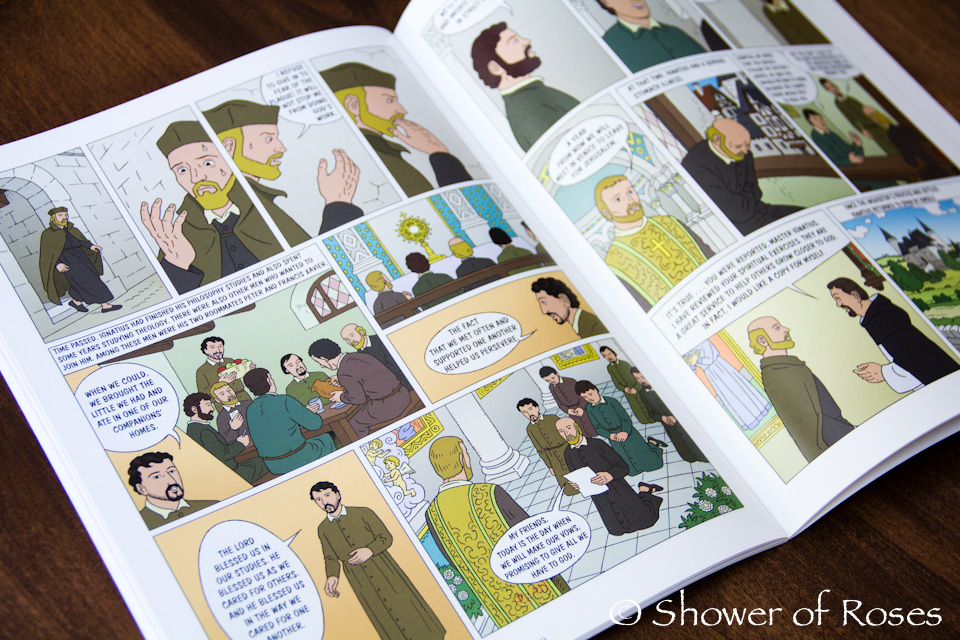
July 31st, St. Ignatius of Loyola (New, Trad.):
- St. Ignatius of Loyola (Lives of the Saints: An Illustrated History for Children) by Bart Tesoriero
- Saint Ignatius of Loyola (More Saints: Lives and Illuminations) by Ruth Sanderson
- I- St. Ignatius (An Alphabet of Saints) by Robert Hugh Benson (Neumann Press – also available from TAN)
- St. Ignatius and the Company of Jesus (Vision) by August Derleth
- The Golden Thread: A Novel about St. Ignatius Loyola by Louis de Wohl
- Saint Ignatius of Loyola: Leading the Way (Graphic Novel)
- Ignatius of Loyola: For the Greater Glory of God (Encounter)
Other Links for July:
Bargain Priced Books :: The 4th of July Story
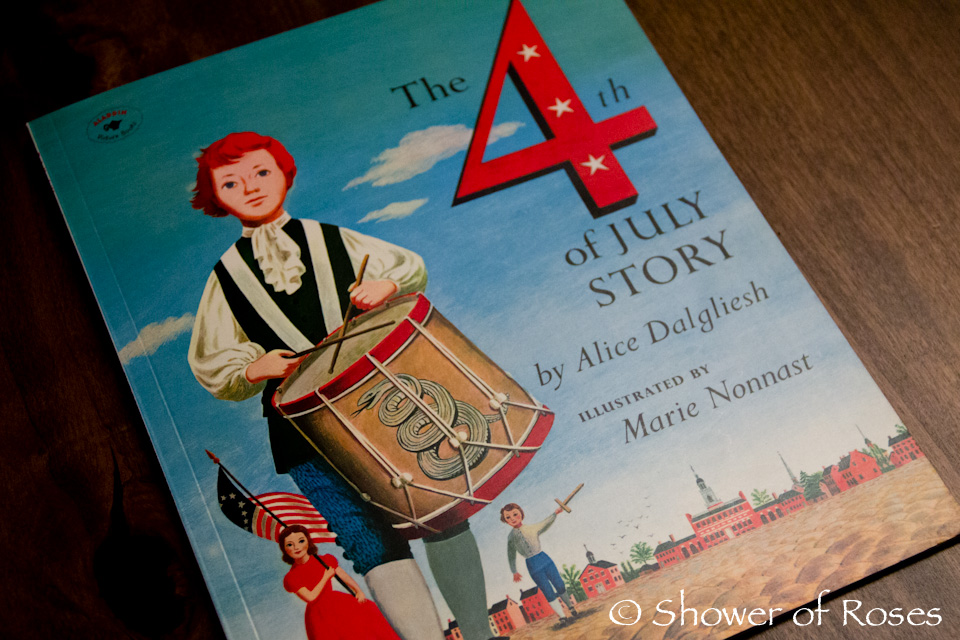
I’m still working on filling up our July Book Basket and creating the book list with links to share with you all… It’s almost ready, I just need to take pictures sometime tomorrow to add to the post. In the meantime I ran across another bargain priced book over at Amazon and thought I’d share the link with you all real quick…
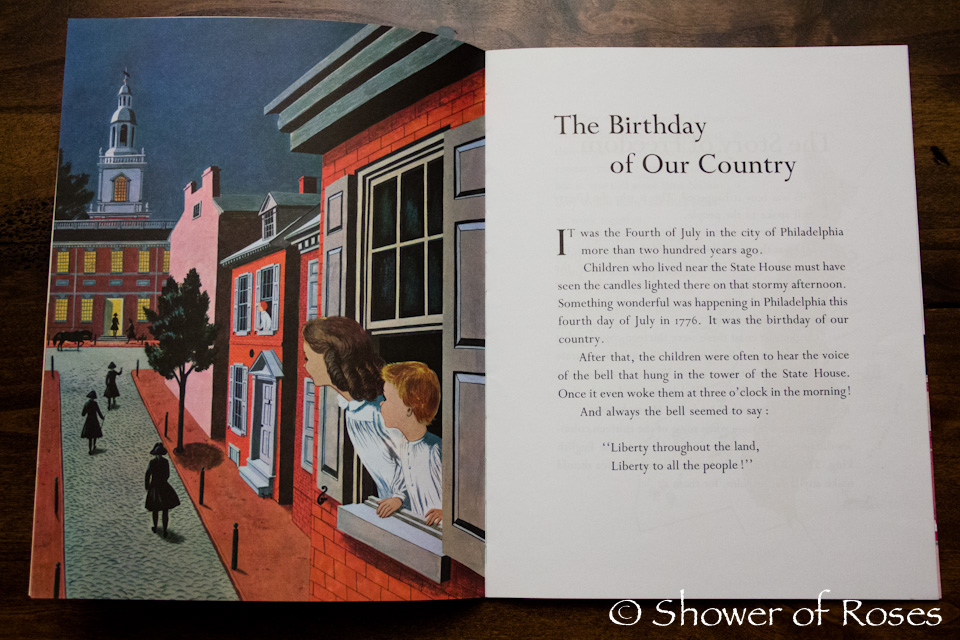
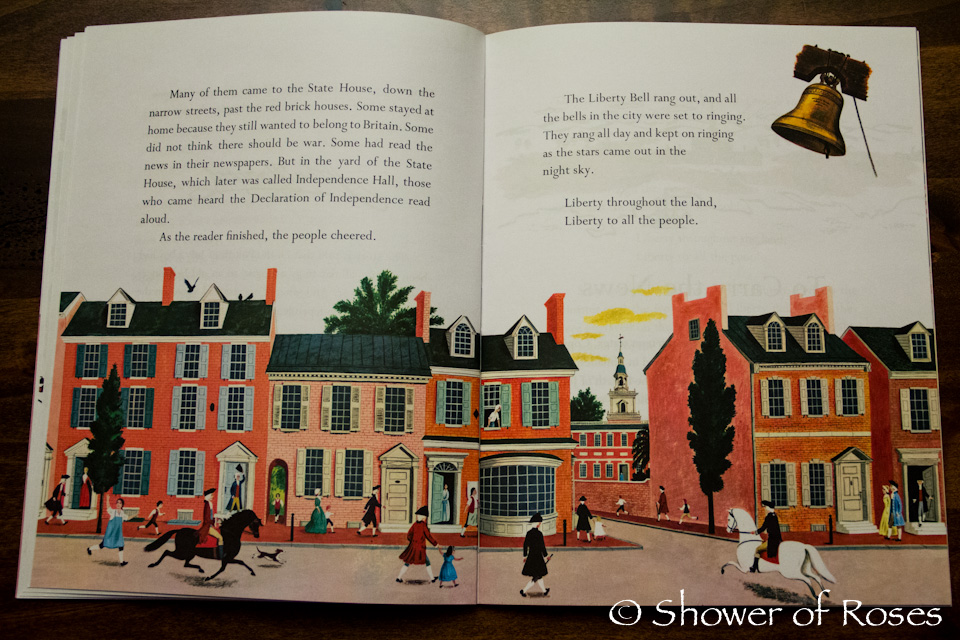
The 4th of July Story by Alice Dalgliesh has always been one of our family’s favorite books to read each year on Independence Day and right now it is 42% off and priced at only $4.60!
Feasts & Seasons :: Our June Book Basket
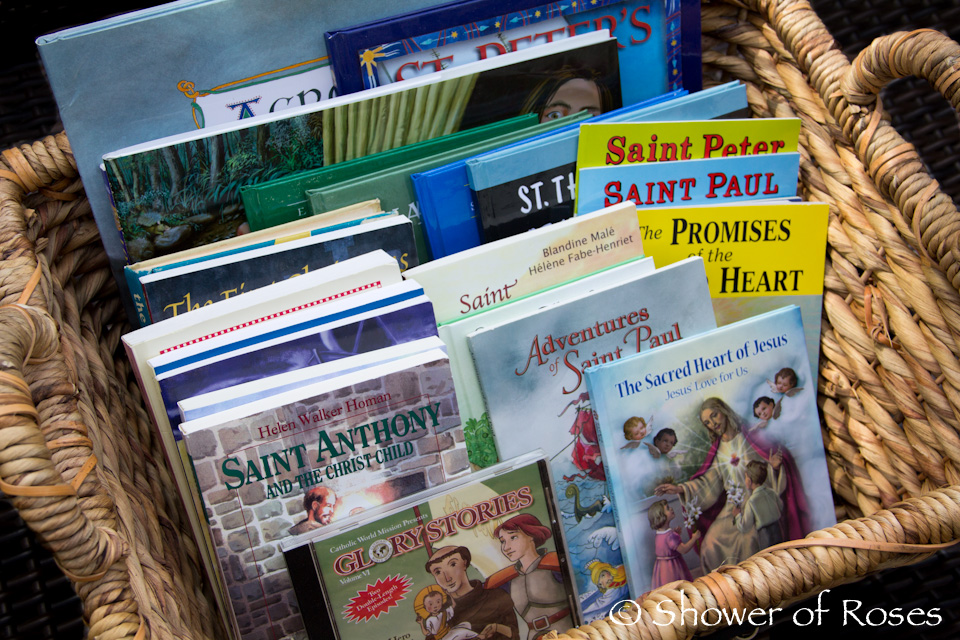
At the beginning of each month I fill a basket with books featuring the the various saints whose feast days will be celebrated during the month and place it in the living room. Throughout the month I will find the children curled up on the couch reading books they have chosen from the basket, either on their own or to their younger siblings. I also choose books from the basket for some of our afternoon family read-alouds. Our collection started very small and we have continued adding additional books over the years which we have either purchased or have been given as gifts. Some are picture books, some are chapter books, and some are collections of saint stories. This post is a work in progress and I will continue adding links as I sort through our collection.
Month Dedicated to the Sacred Heart of Jesus:
- The Story of the Sacred Heart by Daniel A Lord (pamphlet pictured below)
- The Catholic Child and the Sacred Heart (link to post with pictures)
- The Promises of the Sacred Heart by Father Lovasik
- Saint Margaret Mary and the Promises of the Sacred Heart of Jesus (with study guide)
- Gloria Series: The Sacred Heart of Jesus (available from Sacred Heart Books and pictured here)
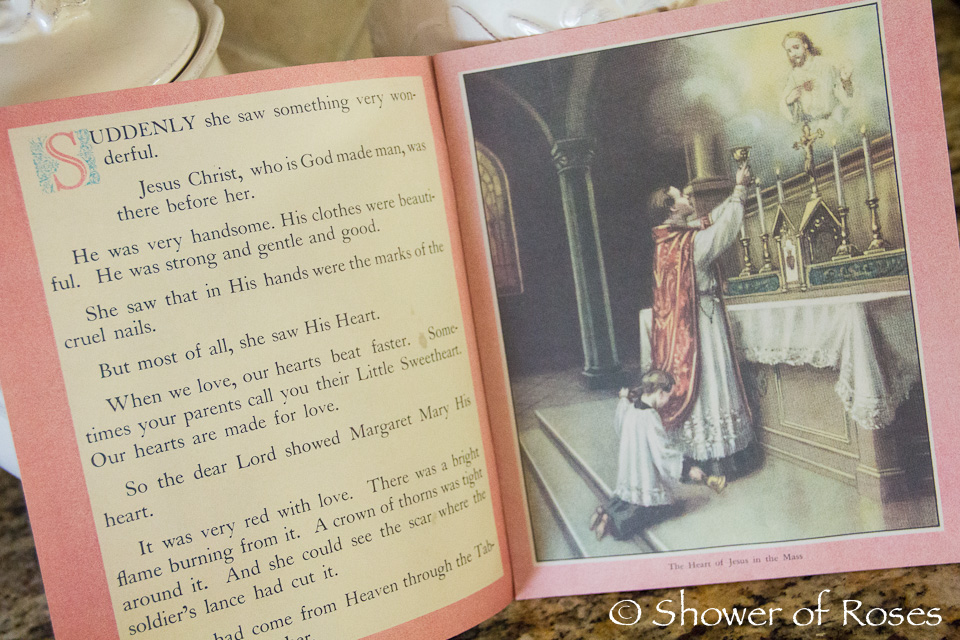 |
| The Story of the Sacred Heart by Daniel A. Lord, S.J. – Originally post: The Catholic Child and the Sacred Heart |
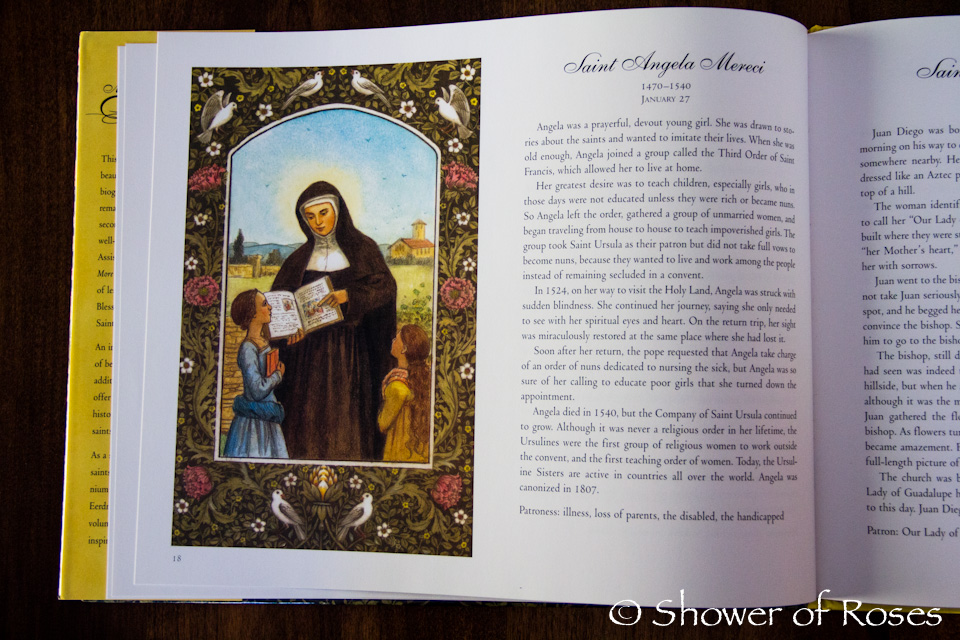
- Saint Angela Merici (More Saints: Lives and Illuminations) by Ruth Sanderson
June 3rd, St. Charles Lwanga & Comps. (New, Trad./some places):
- Paul Miki and Charles Lwanga (Around the Year Once Upon a Time Saints) by Ethel Pochocki
- The Young Martyrs of Uganda (The Golden Legend of Saints)
June 3rd, St. Kevin (Hist.):
- Saint Kevin (Saints: Lives and Illuminations) by Ruth Sanderson
- Saint Kevin and the Otters (Brother Wolf, Sister Sparrow) by Eric A. Kimmel
- The Blackbird’s Nest: Saint Kevin of Ireland by Jenny Schroedel

June 3rd, St. Clotilde (Hist.):
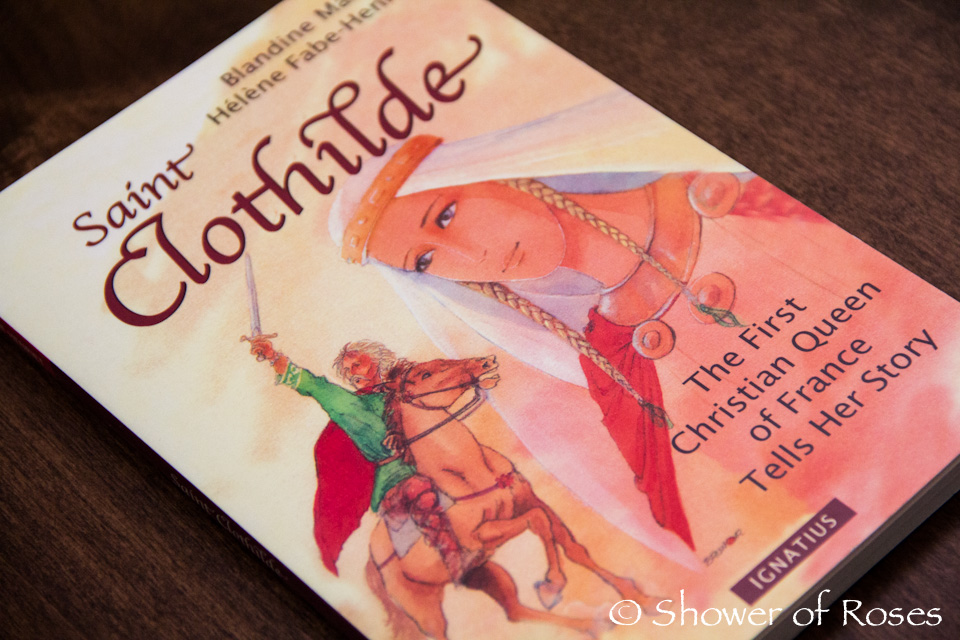
- Saint Clothilde: The First Christian Queen of France Tells her Story by Blandine Male
June 6th, St. Norbert (New, Trad.):
- N- St. Norbert (An Alphabet of Saints) by Robert Hugh Benson (Neumann Press – also available from TAN)
June 9th, Our Lady, Virgin Mother of Grace:
- Our Lady, Virgin of Grace (Mondays With Mary) by Meredith Henning
June 9th, St. Columba (Trad./some places):
- Saint Columba (Saints: Lives and Illuminations) by Ruth Sanderson
- St. Columba: The Exiled Monk (The Book of Saints and Heroes) by Andrew Lang
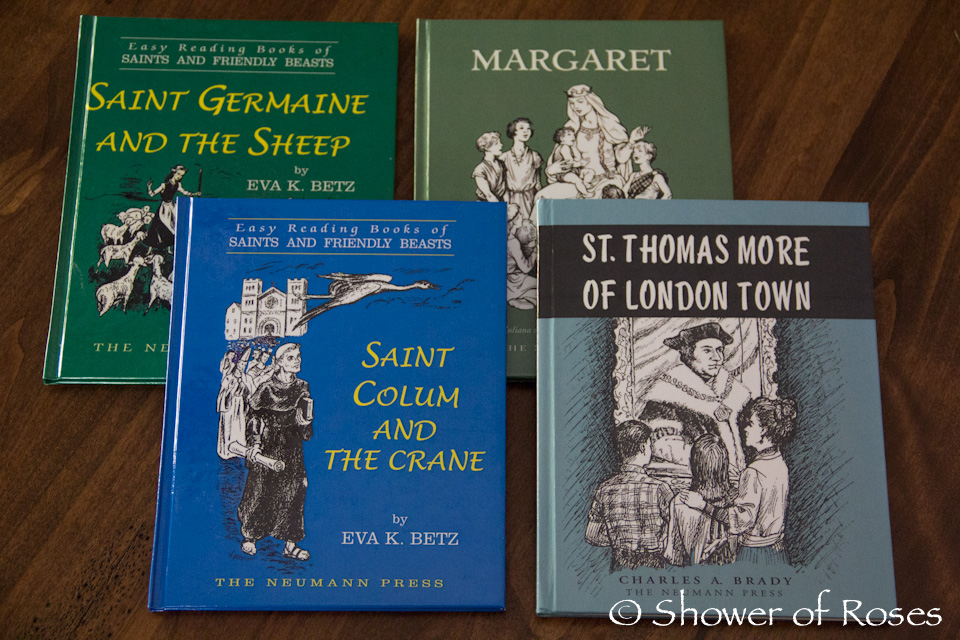
- Saint Colum and the Crane by Eva K. Betz (Neumann Press – also available from TAN)
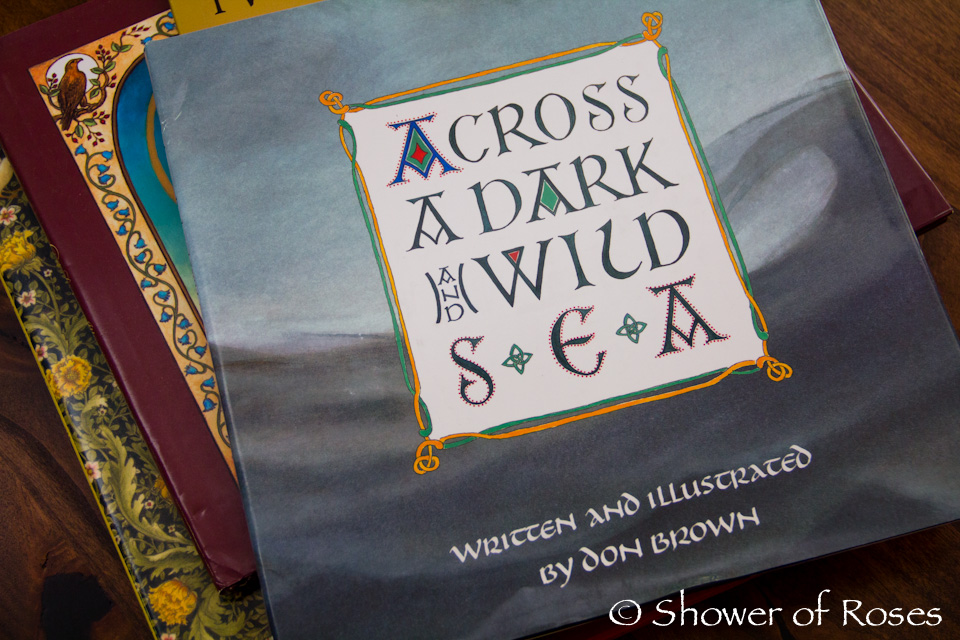
- Across a Dark and Wild Sea by Don Brown
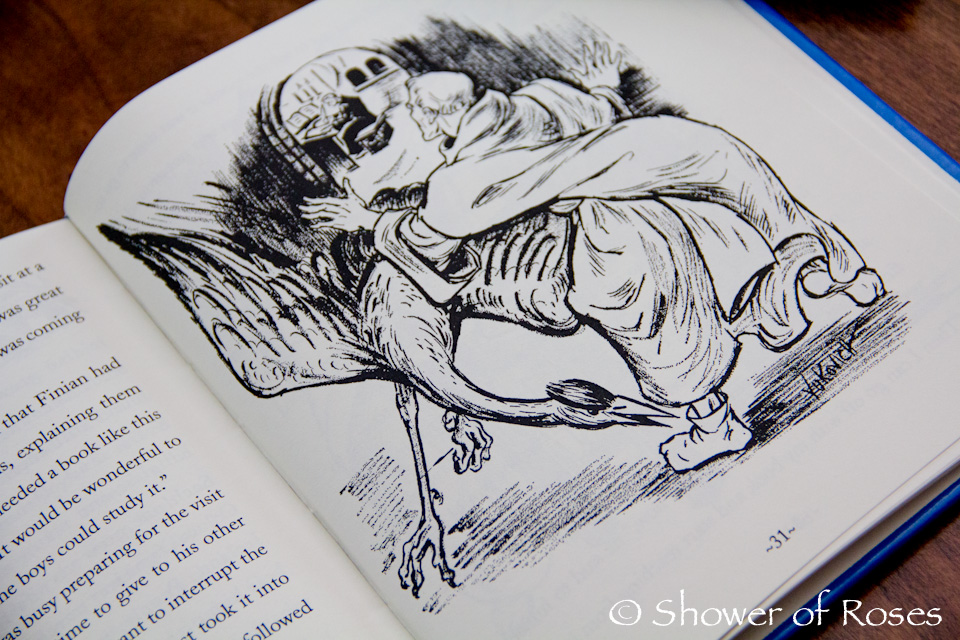
June 9th, St. Ephrem of Syria (New) (Trad. – June 18th):
- Saint Ephraim (Saints: Lives and Illuminations) by Ruth Sanderson
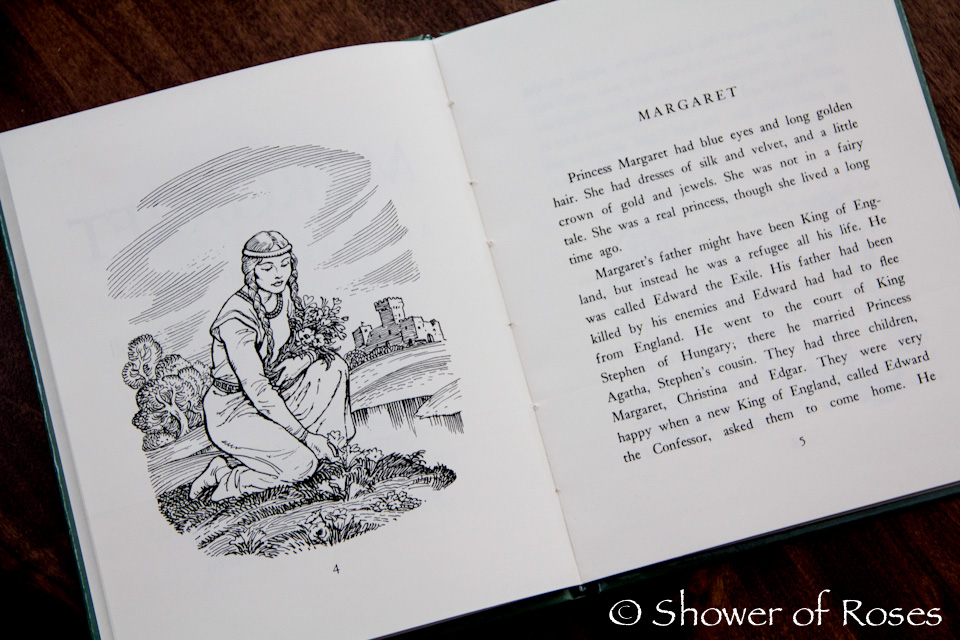
June 10th, St. Margaret of Scotland (Trad.) (November 16th – New):
- Margaret by Sister M. Juliana of Maryknoll (Neumann Press – preorder from TAN)
- St. Margaret: Queen of Scotland (The Book of Saints and Heroes) by Andrew Lang
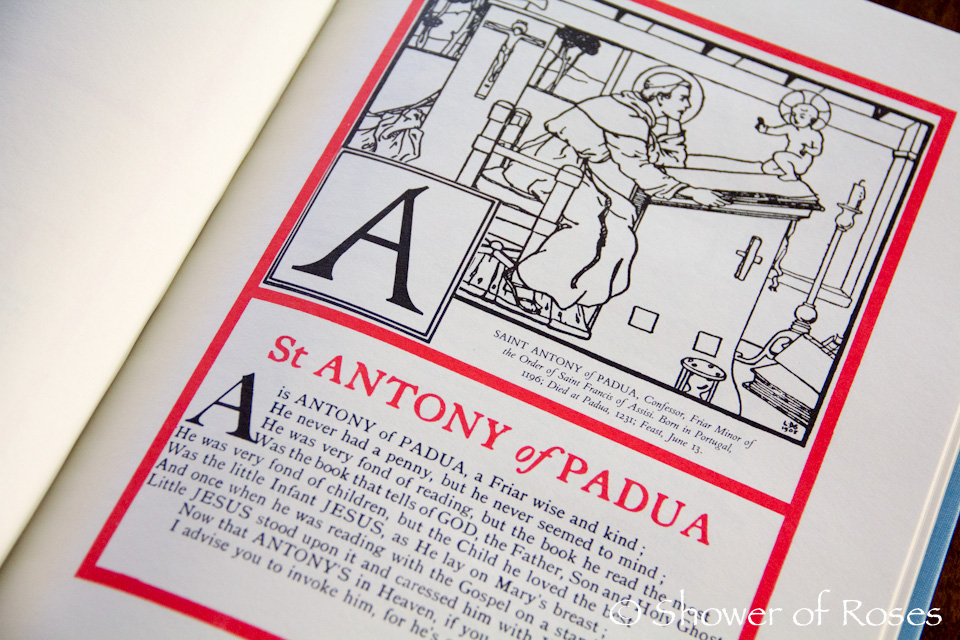
June 13th, St. Anthony of Padua (New, Trad.):
- St. Anthony (Lives of the Saints: An Illustrated History for Children) by Bart Tesoriero
- Saint Anthony of Padua (More Saints: Lives and Illuminations) by Ruth Sanderson
- A – St. Anthony of Padua (An Alphabet of Saints) by Robert Hugh Benson (Neumann Press – also available from TAN)
- Saint Anthony of Padua by Father Lovasik
- Saint Anthony of Padua: Proclaimer of the Good News (Along the Paths of the Gospel Series)
- St. Anthony and the Christ Child (Vision) by Helen Walker Homan
- St. Anthony of Padua Coloring Book (also available from TAN)
- Seeker of the Lost: The Story of Saint Anthony (Glory Stories: Volume VI)
June 15th, St. Germaine Cousin (Hist.):
- Saint Germaine and the Sheep by Eva K. Betz (Neumann Press – also available from TAN)
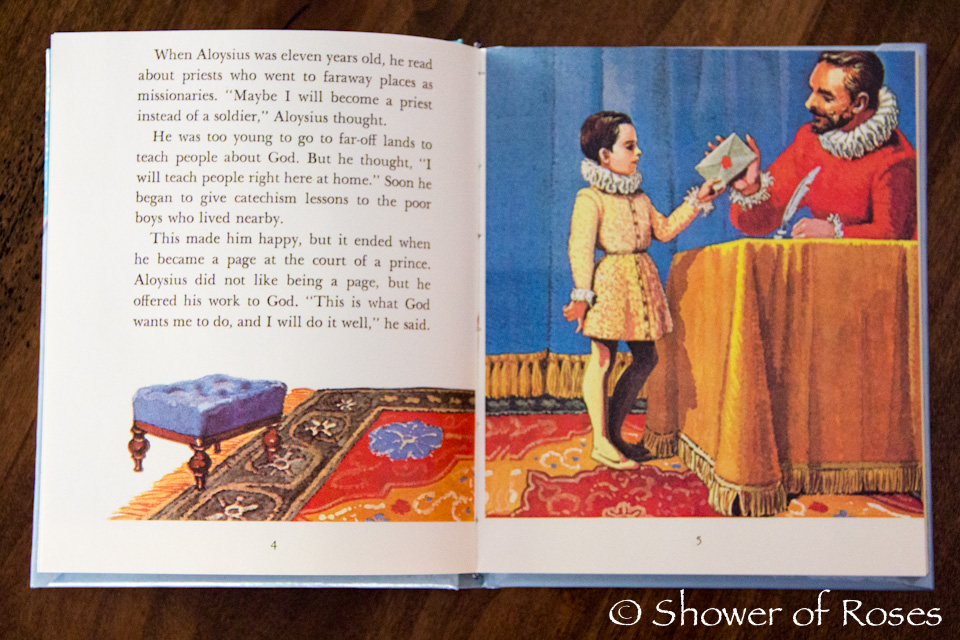
June 21st, St. Aloysius Gonzaga (New, Trad.):
- Saint Aloysius Gonzaga (Saints for Boys) by Alma Savage (Neumann Press – also available from TAN)
- Aloysius Gonzaga Played Ball (The Golden Legend of Saints)
June 22nd, St. Thomas More (New) (Hist – July 9th):
- St. Thomas More (Lives of the Saints: An Illustrated History for Children) by Bart Tesoriero
- St. Thomas More of London Town by Charles A. Brady (Neumann Press – also available from TAN)
- St. Thomas More of London by Elizabeth M. Ince
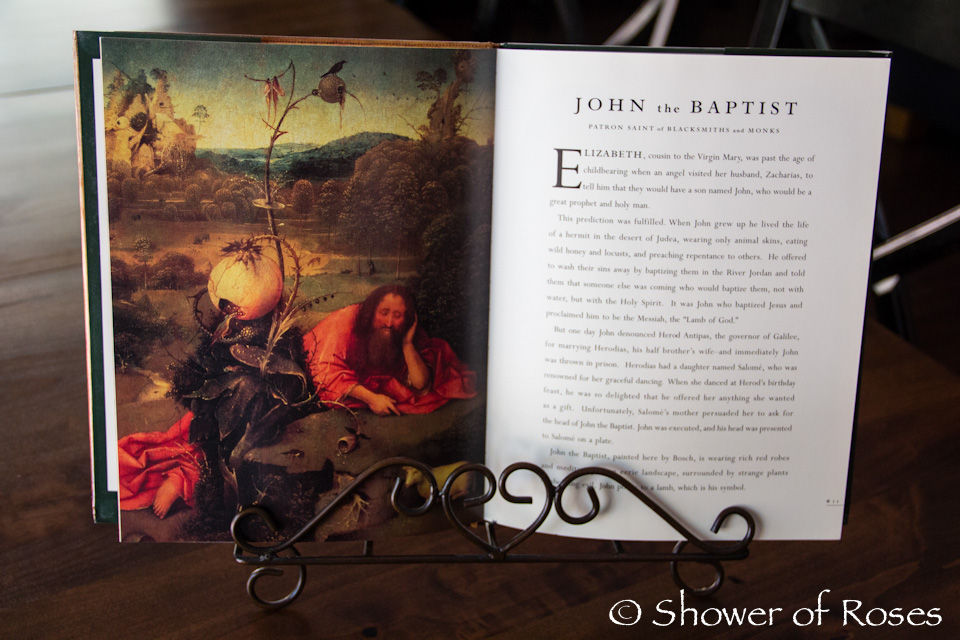
June 24th, Nativity of St. John the Baptist (New, Trad.):
- John the Baptist (Lives and Legends of Saints) by Carole Armstrong
- St. John the Baptist (Saints and Angels) by Claire Llewellyn
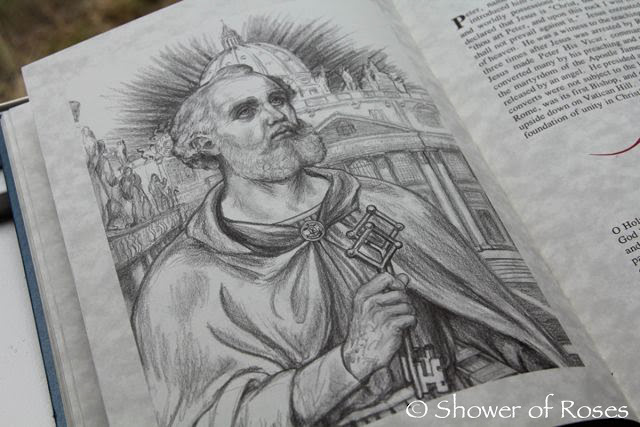
June 29th, Sts. Peter & Paul; St. Peter the First Pope (New, Trad.) (St. Paul – Trad. – June 30th; see below for St. Paul book list):
- Peter and Paul (Lives and Legends of Saints) by Carole Armstrong
- St. Peter (Lives of the Saints: An Illustrated History for Children) by Bart Tesoriero
- St. Peter (Saints and Angels) by Claire Llewellyn
- Peter (The Twelve Apostles) by Marianna Meyer
- Saint Peter the Apostle by Father Lovasik
- Saint Peter (The Apostles of Jesus) by Father Lovasik
- The Man Who Never Died: The Life and Adventures of St. Peter, the First Pope
- The First Christians: The Acts of the Apostles for Children by Marigold Hunt
- Lost in Peter’s Tomb by Dianne Ahern
- Our Holy Father the Pope: The Papacy from St. Peter to the Present
- St. Peter’s Story by Marion Thomas
- St. Peter page A Holy Card Prayer Book (pictured below)
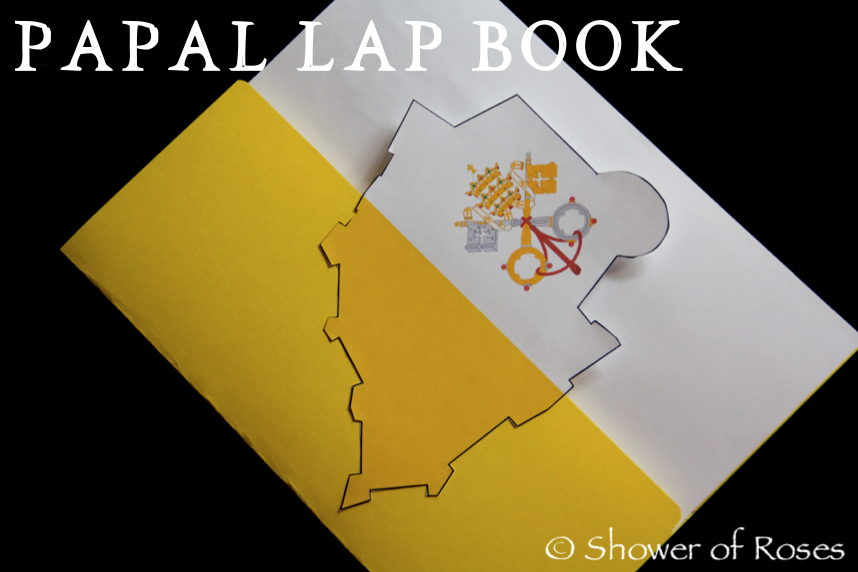
- See also: Papal Lap Book Unit One: St. Peter, The First Pope
June 30th, St. Paul, the Apostle (Trad.) (See June 29th)
- Peter and Paul (Lives and Legends of Saints) by Carole Armstrong
- Paul the Apostle (Around the Year Once Upon a Time Saints) by Ethel Pochocki
- St. Paul (Lives of the Saints: An Illustrated History for Children) by Bart Tesoriero
- St. Paul (Saints and Angels) by Claire Llewellyn
- Saint Paul (The Apostles of Jesus) by Father Lovasik
- The First Christians: The Acts of the Apostles for Children by Marigold Hunt
- The Great Hero: St. Paul the Apostle by Daughters of St. Paul
- Adventures of St. Paul by Oldrich Selucky
- St. Paul The Apostle by Mary Fabyan Windeatt (also available from TAN)
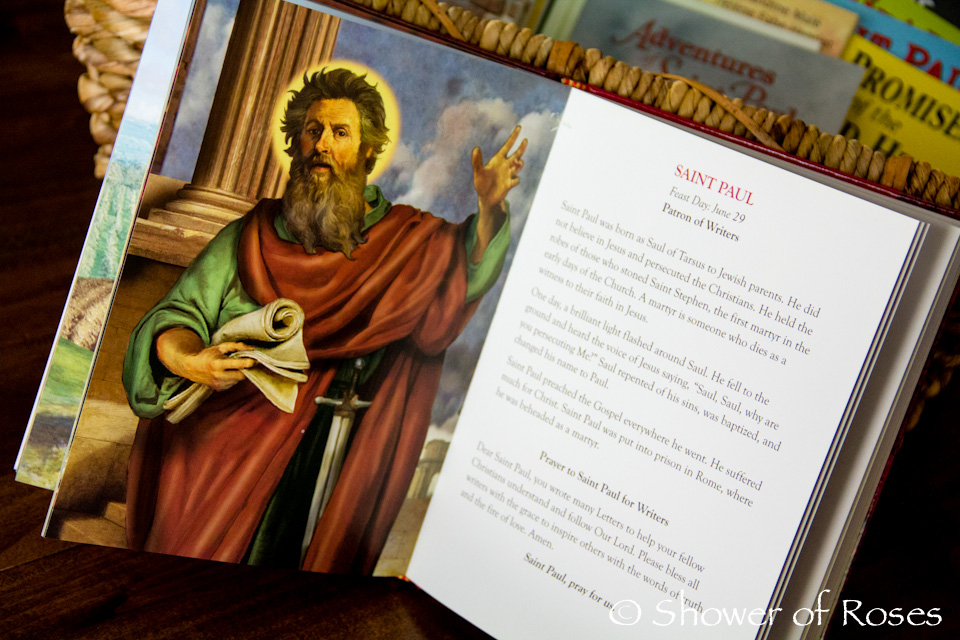
- The Immaculate Heart of Mary (Mondays with Mary) by Meredith Henning
- The Catholic Child and the Blessed Virgin
- The Immaculate Heart of Mary (A Holy Card Prayer Book Volume I & II)
Other Links for June:
A Summer Daybook on the Last Day of June

Outside my window…
an ultraviolet water filtration system is being installed in our nearly completed new well house! We have been purchasing bottled spring water for a couple months now, which has been getting expensive for our large family, after discovering bacteria in our water. It’s been quite a process – first the patio/foundation had to be poured, then a new, full-size well house had to be built (the contractor will finish it after he returns from vacation), and now we finally have the room that was needed to install the filter. I’m really looking forward to having unlimited drinking water again!
I am thinking…
our water issues might have had something to do with our oldest son’s health challenges. He has been symptom free for over four months now!
I am thankful…
for all the prayers that have been sent our way as I continue to recover and heal from my recent miscarriage. Last week was definitely harder than the first, perhaps since I had been keeping myself so busy up until then? Anyways, I posted on Instagram the other day that I was struggling with depression (with anxiety/panic attacks/chest pain – I’ve struggled with this in the past following a couple of my other pregnancies) and I can feel the extra strength and graces from all the prayers. Thank you all! (And that beautiful three mile walk really helped me feel better too!)
 |
| Rather than ride home with Sean and the kids from our annual hometown parade, I decided to walk home. It is such a beautiful day! #needexercise #fightingdepressionaftermiscarriage #prayersplease |
Learning all the time…
Celebrating the liturgical year…
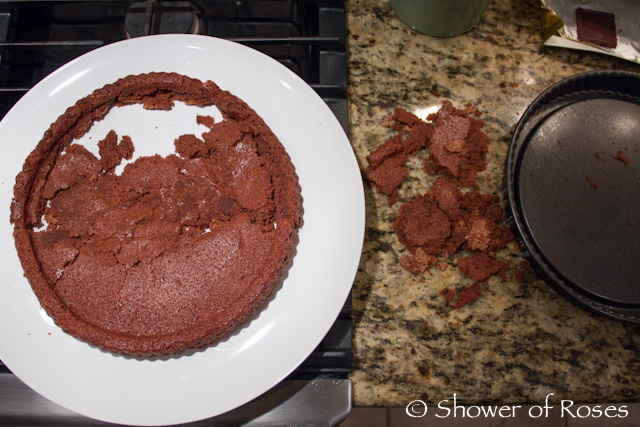
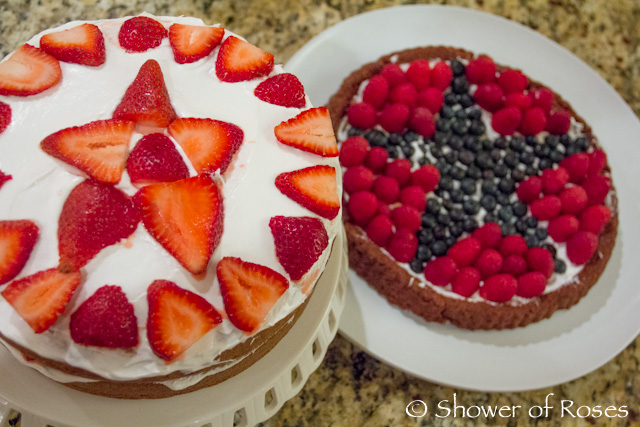
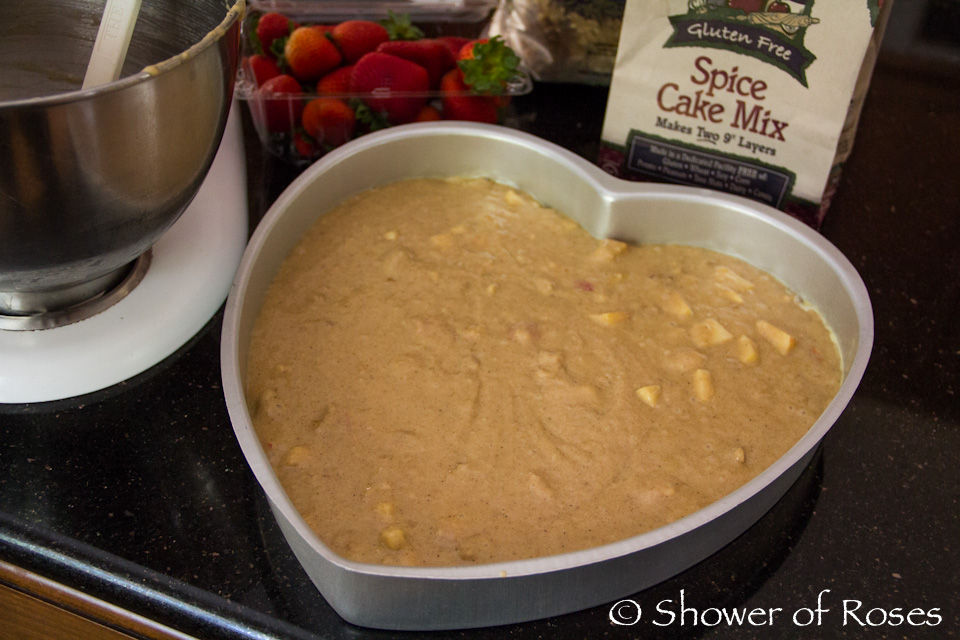
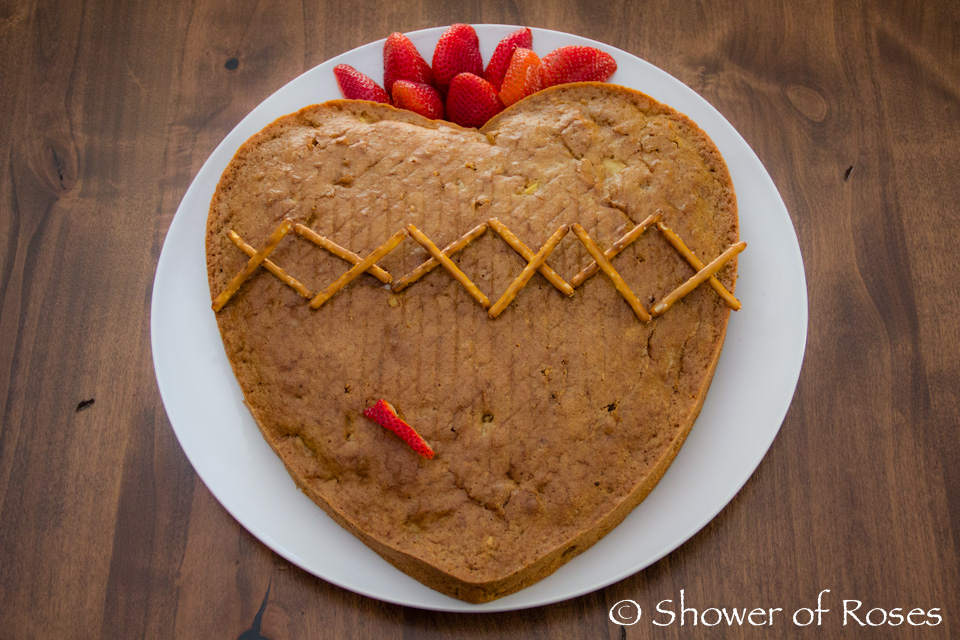
Our liturgical year celebrations have been simple lately, focusing on prayer and daily saint stories during dinner, but we did bake a heart shaped Applesauce Spice Cake for the Solemnity Feast of the Sacred Heart last Friday.
From the kitchen…
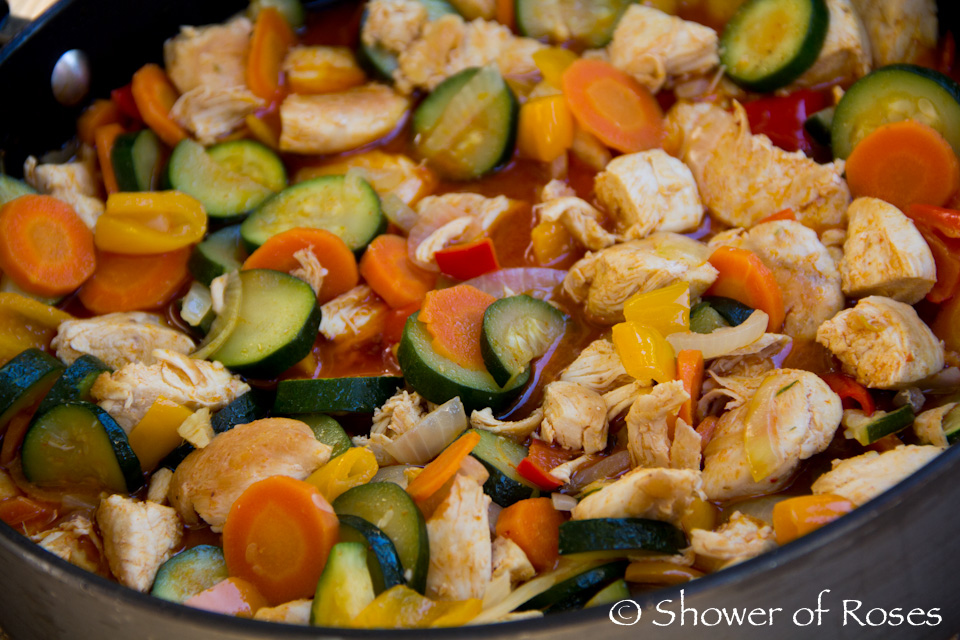
Chicken and Vegetables with a Coconut Milk and Red Curry sauce inspired by my friend Cassandra, who just announced that she is expecting! SO yummy! I’m working on eating extra healthy again and focusing on a paleo diet while I try and lose some of the extra weight which has crept back over the last year. I had a headache for three days (sugar withdrawal?) but it’s finally gone. 🙂
I am working on…
It’s time to update the book basket with saint books for July. I’ll try and compile our list soon to share with you all! (And perhaps finally complete the post with our June books too…)
I am creating…
plans for next school year and lists of books that need to be ordered. I had been so motivated to finish my plans and get an early start, until our miscarriage… I’d still like to get a jump start on the school year, since we’d like to take a family trip after fire season for our 15th Anniversary in October. I should probably get back to those plans!
I am going…
to start the Saints Joachim & Anne Faith Folder with a couple of the children in preparation for their feast on July 26th!
I am hoping…
that we can figure out a way to take the children to the summer camps (one for the older boys and another for the older girls) organized by one of their uncles for his parish… We waited too long to make reservations at a campsite and I haven’t had any luck finding somewhere affordable for us to stay. At the very least we are hoping that Sean can take the two older boys this year!
I am praying…
for Max. Karla’s family has suffered so much with the loss of their 10 year old son Sanjay a few years ago, and now Max is in need of prayers. Karla recently sent me an email asking me to share her prayer request with you all. She and her husband recently found out that their son Max has kidney disease and barring a miracle he will need a kidney transplant soon. She said that he is already down to 15% function. Please keep their family in your prayers!
We are also praying for the soul of a dear friend, Gary Francis, who passed away early Sunday morning. We will be attending his funeral later this week. +May he rest in peace+
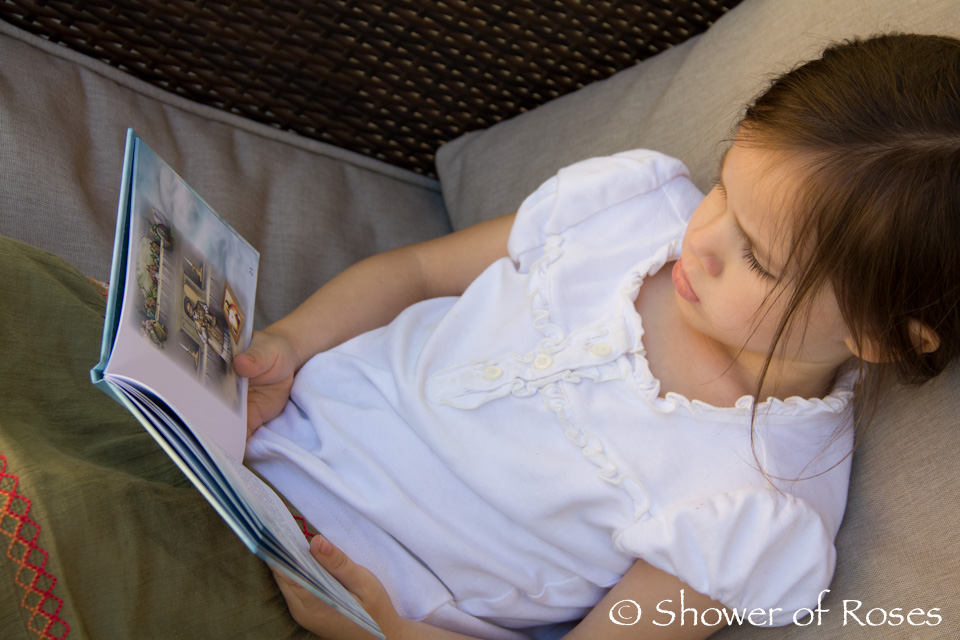
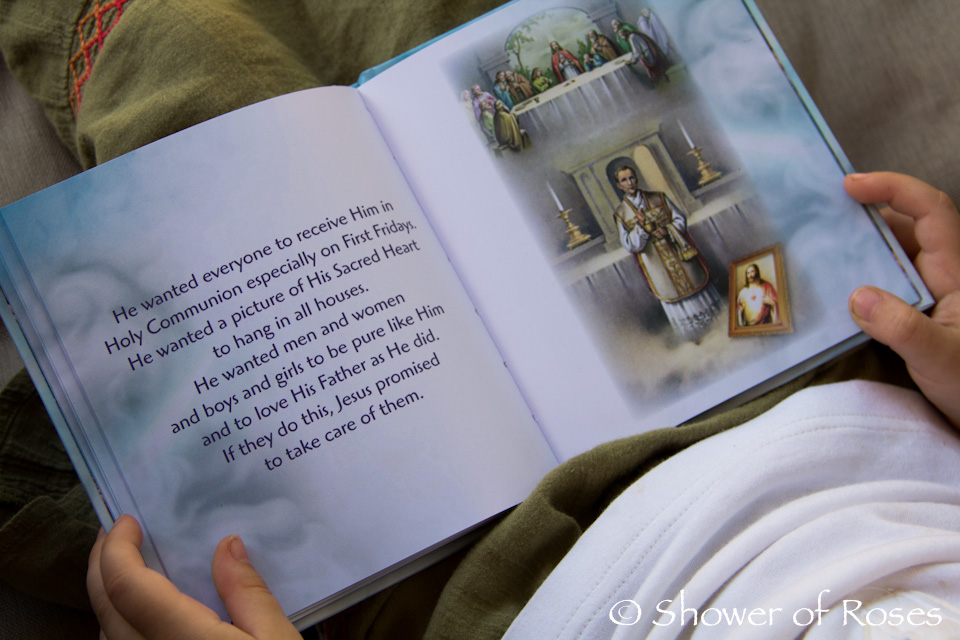
The Sacred Heart of Jesus: Jesus’ Love for Us from the sweet Gloria Series collection. I’ve had this book stashed away in my closet, along with the other books in the series, to give the little ones next Christmas or Easter, but I pulled it out to read to my little ones last Friday afternoon on the Solemnity Feast of the Sacred Heart of Jesus.


Pondering these words…
from St. Therese’s poem My Joy:
I accept with gratitude the thorns mixed with the flowers.”
I am listening…
to the girls working together in the kitchen. It sounds like they are trying to find the pumpkin pie spice. They are baking Pumpkin Chocolate Chip Muffins for an afternoon snack. I love all the giggles!
Around the house…
everything seems to be damaged or breaking lately. Sometime this afternoon our plumber will be coming over to figure out why both of the Master Bathroom sinks started leaking (soaking everything!) on Saturday, and a new coffee pot just moved to the top of my shopping list.
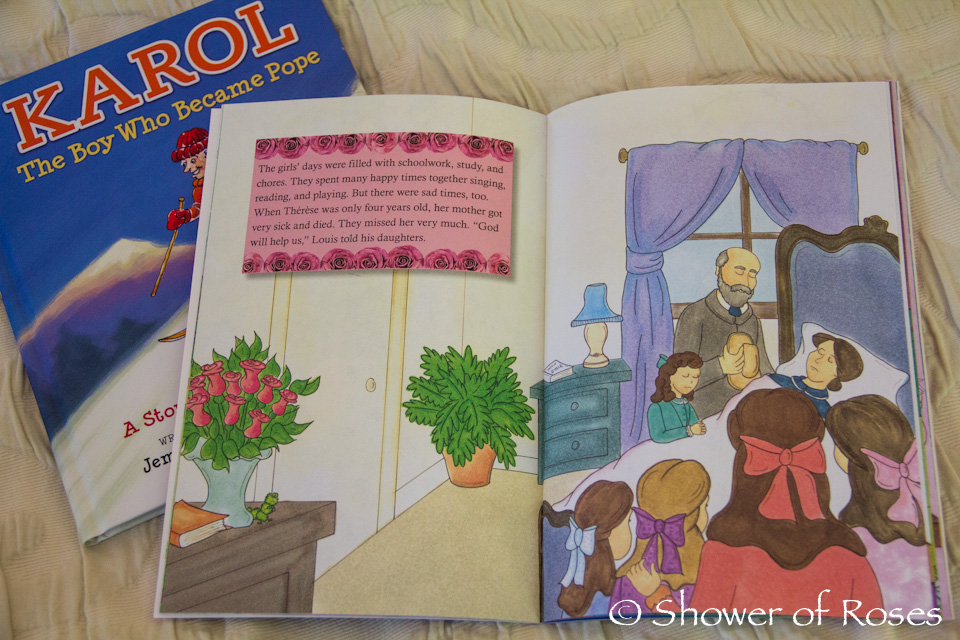
new books! A couple books just arrived that I had pre-ordered awhile ago: Karol, The Boy Who Became Pope: A Story about Saint John Paul II published by Neumann Press (and also available directly from TAN) and Thérèse of Lisieux: Little Flower of Love published by Liguori.
This week’s plans…
Enjoy Summer and Celebrate the 4th of July! You can find some 4th of July ideas and recipes in the archives:
A little peek at some of my Instagram Feed last week…

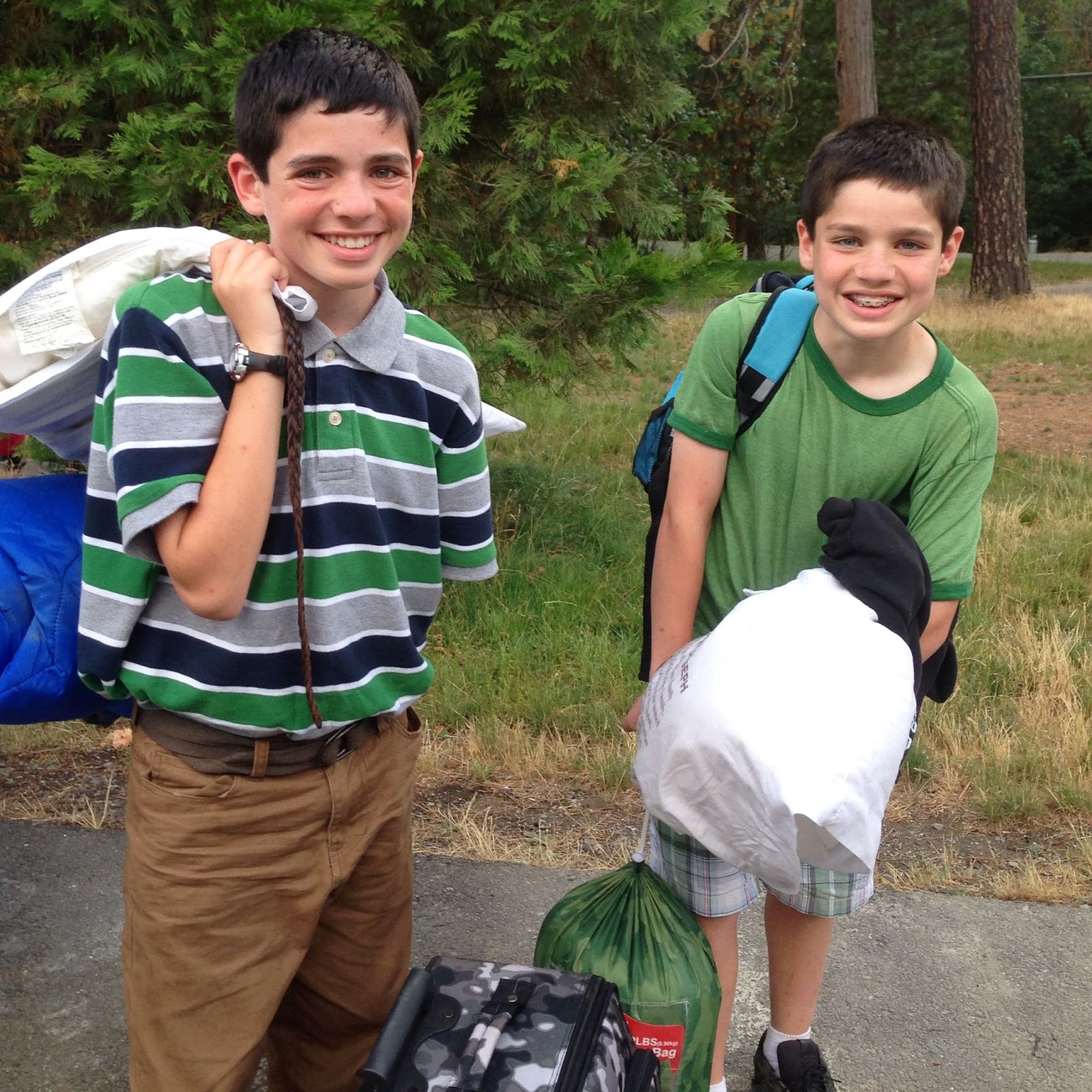


- Monday – The boys left for summer camp early this morning… I miss them already!
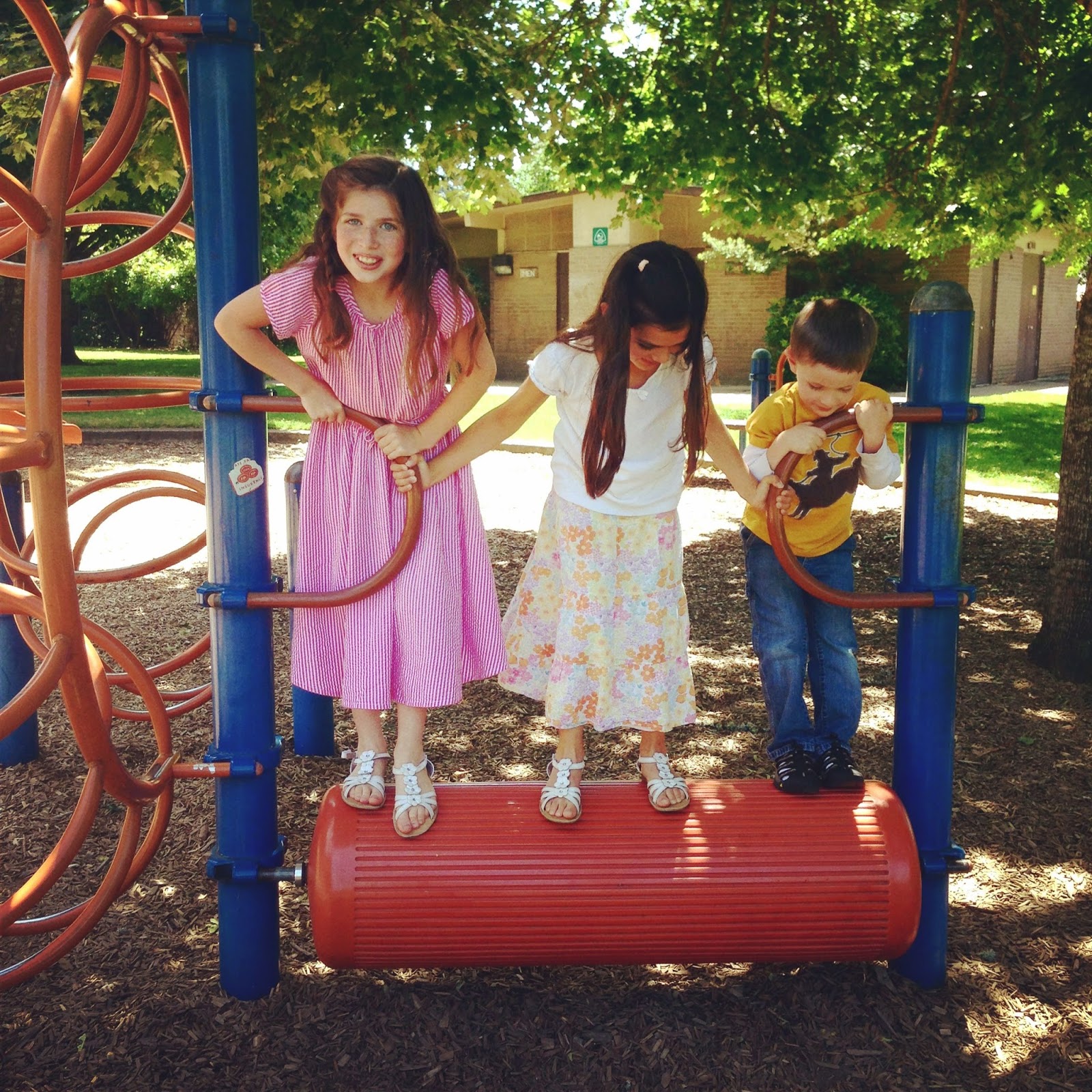
- Tuesday – Fun at the park following five back-to-back cleanings and exams at the Dentist’s office. Next up: naps for everyone!
- Thursday – Home from Quo Vadis Days! (Ranger was blessed to be able to serve Mass, along with four other boys, for our Archbishop on the last day of camp!!!)
- Friday – 10:00 AM the day after camp… Do I let them keep sleeping, or wake them up to eat their breakfast (which has been in the warming drawer for the past hour) (I let them sleep. And you can see their triple bunk bed here.)
- Friday – A Strawberry Rose for my little “Rose” (Inspired by Prim aka Elizabeth Star.)
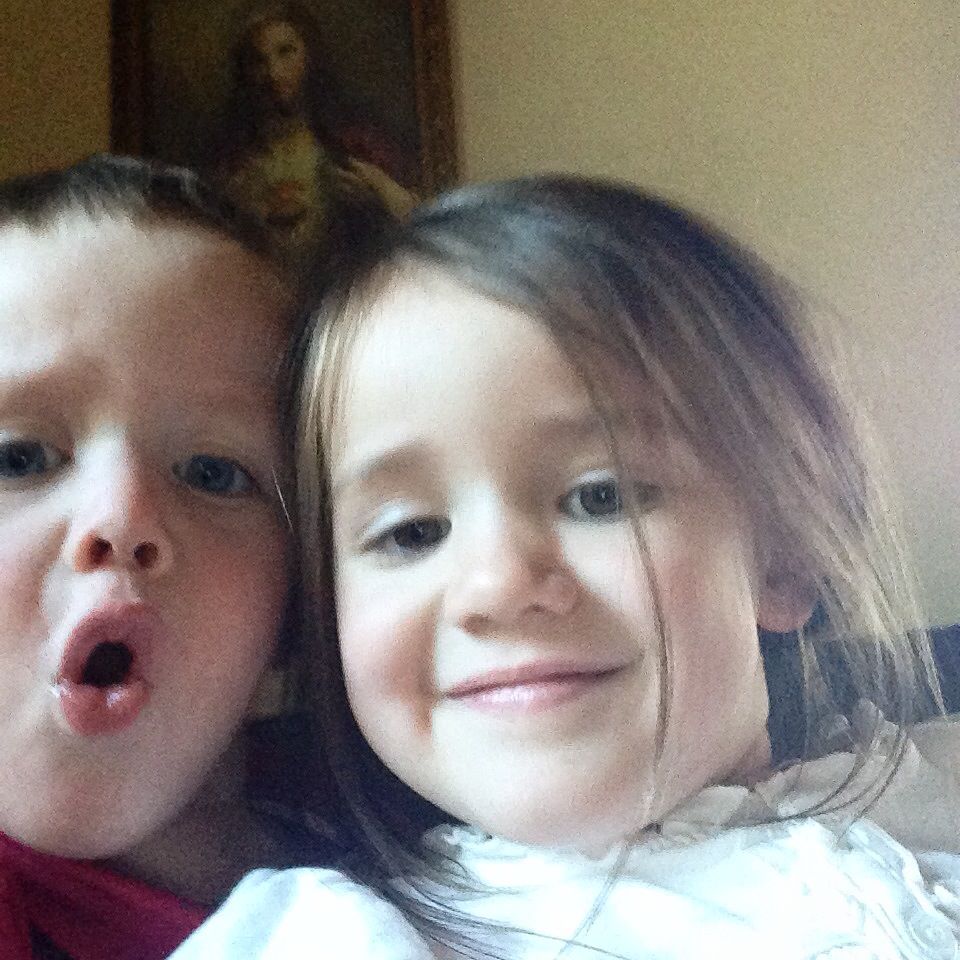
- Friday – Left my iPhone on the couch for a minute and came back to find this picture. Yep, I’m sure they intended to include Jesus’ Sacred Heart in honor of today’s Solemnity Feast!


















0 Comments